Travel and Hotels Redefined: How to Curate Stays That Elevate Every Trip
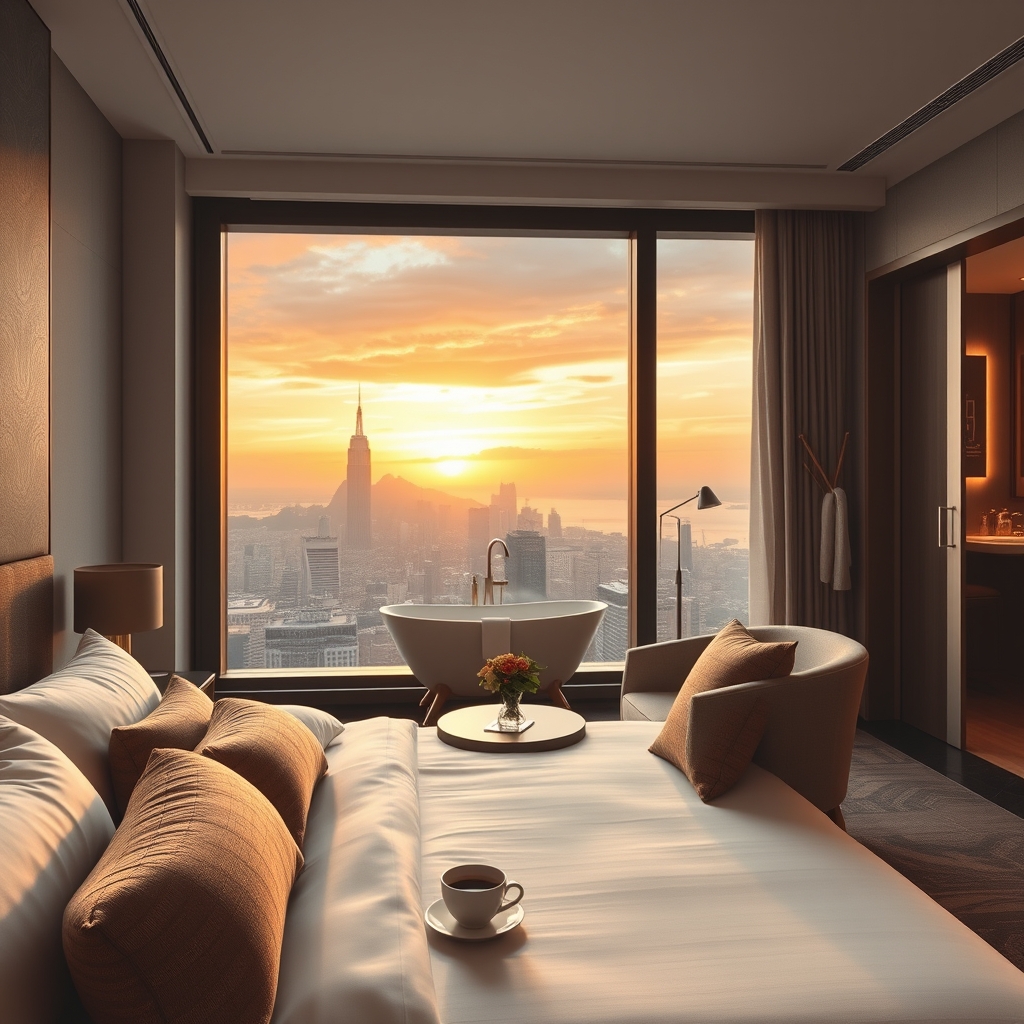
Imagine stepping into a hotel room that doesn’t just meet your expectations but exceeds them in ways you never anticipated. The scent of fresh linen mingles with the aroma of locally sourced coffee, the bed is dressed in crisp, eco-friendly cotton, and the view from your window frames a sunset you’ll remember for years. This isn’t just a place to rest your head—it’s the beginning of a story, a chapter in your travel journey that transforms a simple trip into something extraordinary. When travel and hotels align seamlessly, every detail feels intentional, every moment feels curated, and every stay becomes a part of the adventure itself.
The Psychology Behind Memorable Hotel Stays
What makes some hotel stays unforgettable while others fade into the background? The answer lies in psychology. Studies show that travelers remember experiences that engage their senses, evoke emotions, and create a sense of belonging. A hotel that understands this doesn’t just offer a bed—it offers an atmosphere. Think of the soft glow of ambient lighting in a boutique hotel lobby, the sound of a nearby fountain masking city noise, or the tactile pleasure of a handwritten welcome note. These small touches don’t just add comfort; they create an emotional connection that lingers long after checkout.
Hotels that prioritize sensory experiences often go beyond the basics. For example, some properties now offer scent branding, where a signature fragrance is diffused throughout the space to create a unique identity. Others focus on soundscapes, curating playlists or installing white noise machines to enhance relaxation. These details might seem minor, but they play a significant role in how guests perceive their stay. When planning your next trip, consider how a hotel’s design and ambiance align with your mood and preferences—whether you crave tranquility, inspiration, or a burst of energy.
How to Decode Hotel Listings Like a Pro
With countless options available online, deciphering hotel listings can feel overwhelming. Terms like “boutique,” “luxury,” and “eco-friendly” are thrown around liberally, but what do they really mean? The key to cutting through the noise is to look beyond the marketing jargon and focus on the specifics. Start by identifying what matters most to you: location, amenities, or perhaps a hotel’s commitment to sustainability. Then, dig deeper into the details that often go unnoticed.
For instance, a hotel might advertise itself as “centrally located,” but is it within walking distance of the attractions you care about? Does a “luxury” property include perks like a rooftop bar, a spa, or personalized concierge services? And if sustainability is a priority, does the hotel have certifications like LEED or Green Key, or does it simply pay lip service to eco-friendly practices? Reviews can be a goldmine of information here. Look for patterns in guest feedback—do multiple reviews mention the same standout feature or recurring issue? This will help you separate the truly exceptional stays from the merely adequate.
The Rise of Hyper-Personalized Travel Experiences
Gone are the days when personalization in travel and hotels meant a generic “welcome back” email. Today, hotels are leveraging technology to create hyper-personalized experiences that cater to individual preferences. Imagine arriving at your room to find your favorite snacks waiting for you, the thermostat set to your preferred temperature, and a playlist of your favorite music softly playing in the background. This level of customization is no longer a luxury—it’s becoming an expectation.
Hotels are using data from previous stays, loyalty programs, and even social media to anticipate guest needs. Some properties now offer apps that allow you to customize everything from pillow preferences to room service orders before you even arrive. Others use AI to suggest local experiences based on your interests, whether it’s a hidden speakeasy for cocktail lovers or a guided hike for outdoor enthusiasts. The result? A stay that feels uniquely yours, as if the hotel was designed with only you in mind.
Navigating the Hidden Costs of Hotel Stays
One of the biggest frustrations for travelers is the surprise fees that pop up at checkout. Resort fees, parking charges, and Wi-Fi costs can quickly turn a budget-friendly stay into an expensive ordeal. To avoid these pitfalls, it’s essential to read the fine print before booking. Look for hotels that are transparent about their pricing, and don’t hesitate to reach out to the property directly if you’re unsure about any additional costs.
Another way to sidestep hidden fees is to book through platforms that offer all-inclusive pricing. Some online travel agencies now display the total cost upfront, including taxes and fees, so you can compare options accurately. Additionally, consider joining loyalty programs that waive certain charges for members. For example, some hotel chains offer free Wi-Fi, late checkout, or complimentary breakfast to repeat guests. These perks might seem small, but they can add up to significant savings over time.
Why Location Isn’t Just About Convenience
When choosing a hotel, location is often the top priority—but it’s not just about being close to tourist attractions. The right location can enhance your entire travel experience, from the food you eat to the people you meet. A hotel in a vibrant neighborhood might offer easy access to local markets, street food stalls, and independent boutiques, while a property in a quieter district could provide a peaceful retreat after a day of sightseeing.
Consider what kind of experience you want to have. If you’re visiting a bustling city, do you prefer the energy of downtown or the charm of a residential area? If you’re planning a beach getaway, is it more important to be steps from the sand or tucked away in a secluded cove? Think about how the hotel’s location will shape your daily routine. Will you be able to walk to a nearby café for breakfast, or will you need to rely on taxis? These small details can make a big difference in how you experience a destination.
The Future of Travel and Hotels: What’s Next?
The world of travel and hotels is evolving at a rapid pace, driven by technology, sustainability, and changing guest expectations. One of the most exciting trends is the rise of “bleisure” travel, where business and leisure blend seamlessly. Hotels are responding by offering co-working spaces, high-speed Wi-Fi, and amenities that cater to both work and relaxation. This shift means that even a business trip can feel like a mini-vacation, with opportunities to explore the local culture during downtime.
Sustainability is also taking center stage, with hotels adopting eco-friendly practices that go beyond recycling programs. From solar-powered resorts to zero-waste initiatives, properties are finding innovative ways to reduce their environmental impact. Some hotels are even offering carbon offset programs, allowing guests to contribute to reforestation or renewable energy projects. As travelers become more conscious of their footprint, these initiatives are no longer just a nice-to-have—they’re a deciding factor in where to stay.
As you plan your next trip, think about what kind of experience you want to create. Whether it’s a hotel that feels like a second home, a property that offers hyper-personalized service, or a stay that aligns with your values, the right choice can turn an ordinary journey into something extraordinary. The key is to look beyond the surface, ask the right questions, and choose a stay that resonates with your travel style. After all, the best trips aren’t just about the destination—they’re about the memories you make along the way.
