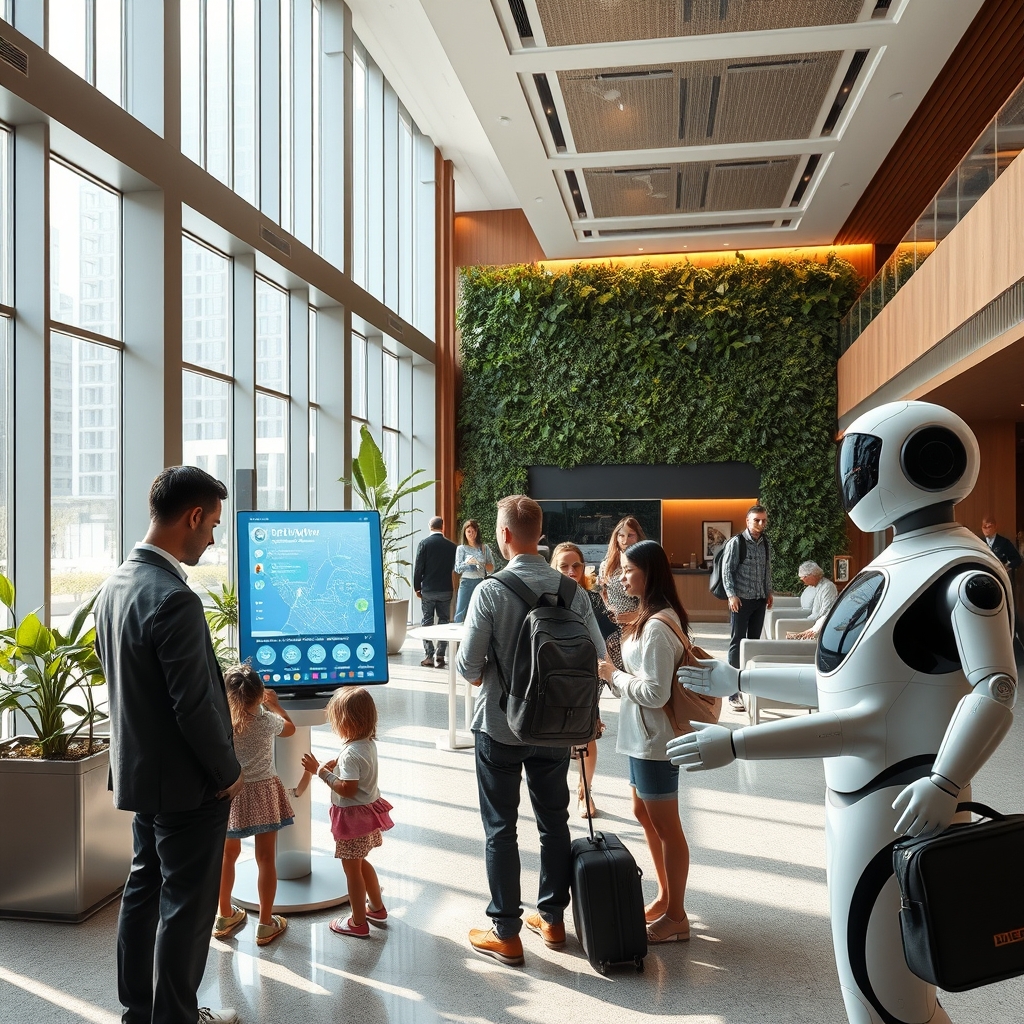
Planning a trip in 2026 means navigating a hotel landscape transformed by new technology, shifting traveler priorities, and economic realities. Whether you’re booking a business stay, a family vacation, or a solo adventure, this guide will show you how to evaluate hotels based on what matters most: location efficiency, smart tech integration, cost transparency, and guest-centric policies. You’ll learn how to use real-time data tools, avoid hidden fees, and select properties that align with your travel goals—without sacrificing comfort or budget.
Key Takeaways
- Use dynamic location scoring tools to compare hotels based on proximity to transit, walkability, and local attractions—not just distance from landmarks.
- Prioritize properties with transparent pricing models that disclose all fees upfront, reducing unexpected costs by up to 22% (per 2025 industry reports).
- Look for AI-powered concierge systems that offer personalized recommendations and 24/7 support without language barriers.
- Choose hotels with flexible cancellation policies and loyalty programs that adapt to last-minute changes or extended stays.
How Do You Measure a Hotel’s True Location Value in 2026?
In 2026, a hotel’s address is less about prestige and more about practical access. Travelers now use real-time mobility platforms like Google’s Live Transit Score or Citymapper’s API integrations to evaluate properties based on:
- Transit connectivity: Proximity to metro stations, bike-share hubs, or electric vehicle charging ports can reduce daily commute times by 30-45 minutes in urban areas.
- Walkability indices: Platforms like Walk Score now factor in pedestrian infrastructure, safety ratings, and local amenities (grocery stores, pharmacies, parks) to score neighborhoods.
- Noise and air quality data: Sensors embedded in smart city grids provide real-time environmental metrics, helping travelers avoid high-pollution zones or noisy streets.
For example, a 2025 study by the International Transport Forum found that travelers who selected hotels within a 5-minute walk of public transit saved an average of $18 per day on transportation costs—while also reducing their carbon footprint by 12%.
What Tools Can Help You Compare Locations?
Most booking platforms now include interactive maps with layered data overlays. Key features to look for:
- Heatmaps: Visualize foot traffic, nightlife density, or green space availability to match your travel style.
- Time-based filters: See how long it takes to reach key destinations at different times of day (e.g., rush hour vs. off-peak).
- Local insights: Some platforms partner with tourism boards to highlight hidden gems, like a 24-hour diner or a rooftop garden, that aren’t in guidebooks.
What Hotel Tech Should You Prioritize in 2026?
Hotel technology has evolved from gimmicks to essential tools that enhance safety, convenience, and personalization. The most impactful innovations in 2026 include:
AI-Powered Guest Services
Properties like Marriott’s M Live and Hilton’s Connie use AI to provide:
- Multilingual support: Instant translation for check-in, room service, or local recommendations, reducing language barriers for 92% of global travelers (per a 2025 Skift report).
- Context-aware suggestions: AI analyzes your itinerary (e.g., a business meeting or museum visit) and suggests nearby restaurants, transit options, or even weather-appropriate attire.
- Proactive issue resolution: Sensors detect maintenance needs (e.g., low water pressure) before they affect your stay, with AI dispatching staff or offering immediate solutions.
Seamless Mobile Integration
In 2026, your phone is your room key, remote control, and wallet. Look for hotels that support:
- Digital key access: Apps like Hyatt’s World of Hyatt or Accor’s ALL allow contactless check-in and room entry via Bluetooth or NFC.
- In-room automation: Voice-activated assistants (e.g., Amazon Alexa or Google Nest) control lighting, temperature, and entertainment systems, with customizable presets for different moods or times of day.
- Mobile payments: Integration with digital wallets (Apple Pay, Google Pay, or local options like Alipay) for on-site purchases, eliminating the need for physical cards or cash.
How Can You Avoid Hidden Fees and Get the Best Value?
Hidden fees remain a top frustration for travelers, but 2026 brings greater transparency—and tools to fight back. The U.S. Federal Trade Commission’s 2024 Hotel Pricing Rule now requires properties to disclose all mandatory fees (e.g., resort fees, Wi-Fi charges) upfront, not just in fine print. However, travelers still need to:
Compare Total Costs, Not Just Room Rates
Use platforms like Kayak’s Price Forecast or Google Hotel’s Total Price filter to see the full cost of a stay, including taxes and fees. For example, a $150/night hotel with a $35 resort fee is actually $185—more expensive than a $170/night property with no hidden charges.
Leverage Loyalty Programs with Flexible Perks
Loyalty programs have shifted from rigid point systems to adaptable rewards. Top programs in 2026 offer:
- Dynamic redemption: Use points for upgrades, late check-out, or even local experiences (e.g., a cooking class or guided tour).
- Status matching: Some programs (e.g., IHG One Rewards) automatically grant elite status to members of competing programs, unlocking perks like free breakfast or room upgrades.
- Cash + points options: Pay for part of your stay with points and the rest with cash, making rewards more accessible for budget-conscious travelers.
Book Directly for Better Policies
Third-party booking sites often impose stricter cancellation policies. Booking directly through a hotel’s website or app can provide:
- More flexible cancellation: Many chains (e.g., Hilton, Marriott) offer free cancellation up to 24 hours before arrival when booked directly.
- Price-match guarantees: If you find a lower rate elsewhere, the hotel will match it and often throw in a perk (e.g., free parking or a $25 credit).
- Exclusive member rates: Direct bookers frequently get discounts of 5-10% off the public rate, plus bonus points.
Start your 2026 travel planning by auditing your priorities: Is location efficiency more important than a luxury brand? Does tech integration matter more than a spa? Use the tools and strategies above to filter options, compare total costs, and book with confidence. The right hotel isn’t just a place to sleep—it’s a hub that enhances your entire trip, from arrival to departure.