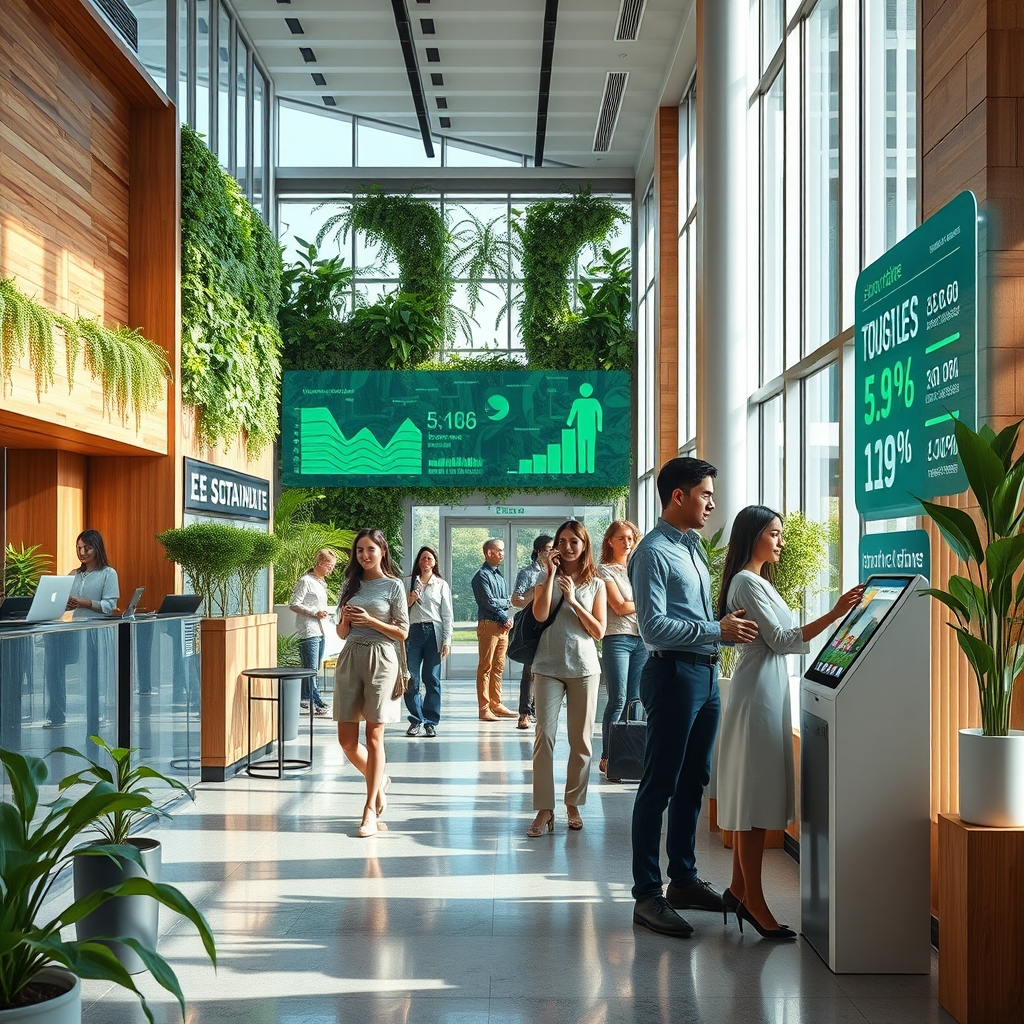
Smart Travel Planning in 2026: How to Book Hotels That Match Your Budget, Values, and Tech Needs
Planning a trip in 2026 isn’t just about picking a destination—it’s about choosing hotels that align with your budget, sustainability goals, and tech preferences. Whether you’re a solo traveler, digital nomad, or family planner, you’ll learn how to find accommodations that offer real value, seamless digital experiences, and eco-friendly practices. This guide covers the latest trends, tools, and strategies to help you book smarter, save money, and travel with confidence in the next two years.
Key Takeaways
- Dynamic pricing and AI tools let you lock in the best hotel rates by tracking demand patterns in real time.
- Sustainability certifications like GSTC help you identify hotels with verified eco-friendly practices, not just greenwashing claims.
- Tech-enabled stays—think keyless entry, AI concierges, and smart room controls—are becoming standard, especially in urban and business hubs.
- Flexible booking policies and loyalty programs now prioritize transparency, making it easier to adjust plans without hidden fees.
How Can You Find Hotels That Fit Your Budget Without Sacrificing Quality?
Hotel pricing in 2026 is more dynamic than ever, thanks to AI-driven revenue management systems. These tools analyze demand, local events, and even weather forecasts to adjust rates hourly. To get the best deal, use price-tracking tools like Google Hotel Insights or Hopper, which predict optimal booking windows. For example, booking a mid-range hotel in Tokyo three weeks in advance can save up to 22% compared to last-minute reservations, according to a 2025 Skift report.
Loyalty programs have also evolved. Instead of just earning points, modern programs offer flexible redemption options, such as converting points to experiences or cash back. Brands like Marriott and Hilton now allow members to pool points with friends or family, making group travel more affordable. Always compare the cash price against points—sometimes paying upfront is cheaper.
What Are the Hidden Costs to Watch For?
Resort fees, parking charges, and Wi-Fi costs can inflate your bill by 15-30%. In 2026, more hotels are adopting “all-inclusive” pricing models, where the upfront rate covers amenities like breakfast, gym access, and even local transit passes. Look for properties with transparent pricing on their websites or third-party platforms like Booking.com’s “Total Stay Cost” filter.
Another cost-saving tip: book directly through the hotel’s website. Many chains offer price-match guarantees or exclusive perks like late checkout or room upgrades for direct bookings. A 2025 study by the American Hotel & Lodging Association found that travelers saved an average of $28 per night by booking directly.
How Do You Choose a Hotel That Aligns With Your Values?
Sustainability is no longer a niche concern—it’s a deciding factor for 68% of travelers, according to a 2025 Booking.com survey. To avoid greenwashing, look for certifications from reputable organizations like the Global Sustainable Tourism Council (GSTC). These labels verify practices like energy efficiency, waste reduction, and community support. For example, hotels with GSTC certification have been shown to reduce water usage by 30% and energy consumption by 25% compared to non-certified properties.
If you prioritize social impact, consider hotels that partner with local NGOs or employ marginalized communities. Brands like Six Senses and Banyan Tree integrate sustainability into their operations, from sourcing food locally to offering carbon-offset programs for guests. Apps like EcoHotels and Green Key can help you filter properties based on specific values, such as plastic-free rooms or renewable energy use.
What Tech Features Should You Look For in 2026?
Hotels are increasingly adopting smart technology to enhance guest experiences. In 2026, expect to see:
- Keyless entry via smartphone apps, eliminating the need for physical keycards.
- AI concierges like Hilton’s Connie or Marriott’s ChatBotlr, which handle requests 24/7 via text or voice.
- Smart room controls for lighting, temperature, and entertainment, often integrated with platforms like Amazon Alexa or Google Home.
- Contactless check-in and digital invoicing, reducing wait times and paper waste.
For digital nomads, look for hotels with coworking spaces, high-speed Wi-Fi (minimum 500 Mbps), and ergonomic workstations. Chains like Selina and Zoku cater specifically to remote workers, offering day passes for non-guests and networking events. Always check reviews for mentions of tech reliability—nothing derails a work trip like spotty internet.
What Are the Best Strategies for Last-Minute or Flexible Travel?
Flexible travel is easier than ever in 2026, thanks to apps like HotelTonight and Dayuse, which offer same-day bookings at discounted rates. These platforms partner with hotels to fill unsold inventory, often at 30-50% off standard prices. For example, a luxury hotel in Paris might drop its rate from €400 to €200 for a last-minute booking.
If you’re open to spontaneous travel, consider “mystery stays” offered by platforms like Pack Up + Go or Secret Escapes. These services curate unbranded hotel stays based on your preferences, revealing the location only after booking. It’s a great way to discover hidden gems while saving up to 40% on premium properties.
For those with unpredictable schedules, flexible booking policies are a must. Look for hotels that offer free cancellation up to 24 hours before check-in or allow date changes without penalties. Airlines like Delta and United have also partnered with hotel chains to bundle flights and stays with flexible rebooking options, ideal for business travelers.
As you plan your next trip, focus on what matters most to you—whether it’s affordability, sustainability, or tech convenience. Use the tools and strategies outlined here to book with confidence, knowing you’ve made an informed choice. Start by auditing your priorities, then compare options using the filters and platforms mentioned. The perfect hotel isn’t just a place to stay; it’s a seamless extension of your travel experience.
