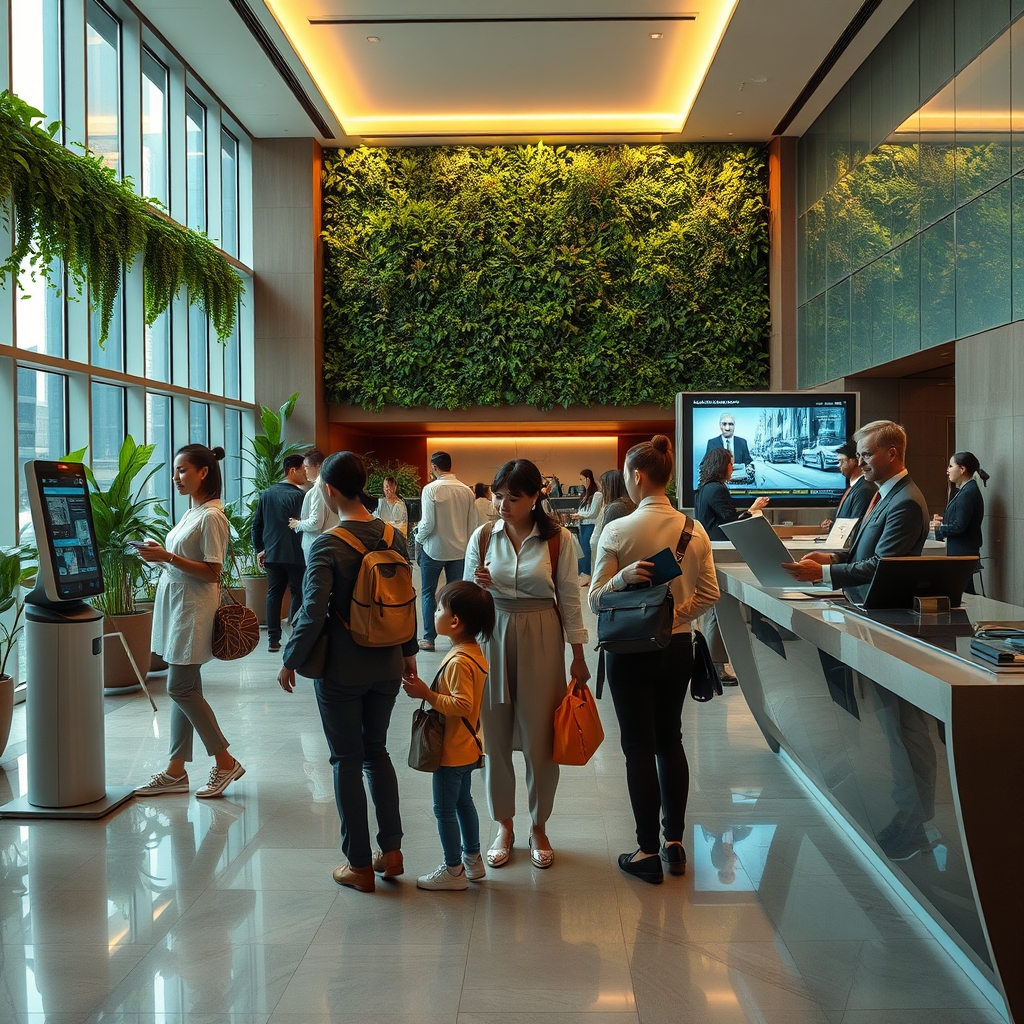
How to Navigate Travel and Hotels in 2026: Trends, Tools, and Tactics for Stress-Free Stays
Planning a trip in 2026 means navigating a travel landscape shaped by new technologies, shifting consumer expectations, and evolving hotel experiences. Whether you’re booking a weekend getaway or a month-long adventure, you’ll learn how to leverage real-time pricing tools, prioritize sustainability, and choose accommodations that align with your needs—without overspending or compromising comfort. From AI-powered booking assistants to hyper-personalized stays, this guide breaks down the trends and tactics that will define travel and hotels in 2026, so you can travel smarter and stay better.
Key Takeaways
- Dynamic pricing is the norm: Hotels and platforms now adjust rates in real time based on demand, local events, and even weather forecasts—book strategically to save up to 30%.
- Sustainability isn’t optional: Over 60% of travelers in 2026 prioritize eco-friendly stays, with certifications like Global Sustainable Tourism Council (GSTC) standards becoming a baseline for trust.
- AI enhances, but doesn’t replace, human choice: Chatbots handle logistics, but travelers still rely on reviews and local insights to finalize decisions.
- Flexibility is non-negotiable: Free cancellation policies and modular booking options are now standard, reducing risk for last-minute changes.
What Are the Biggest Changes in Travel and Hotels for 2026?
Travel in 2026 is defined by three core shifts: personalization, sustainability, and technology integration. Hotels are no longer just places to sleep—they’re curated experiences tailored to individual preferences. For example, properties now use AI to adjust room temperatures, lighting, and even scent profiles based on guest profiles, a trend accelerated by demand for wellness-focused stays. Meanwhile, sustainability has moved from marketing buzzword to operational necessity, with hotels adopting water recycling systems, carbon-neutral energy sources, and zero-waste dining options.
Technology plays a dual role: it streamlines logistics while also creating new expectations. Mobile check-ins, digital room keys, and voice-activated assistants are now table stakes, but the real innovation lies in predictive analytics. Platforms like Google Travel and Hopper use machine learning to forecast price drops or surges, giving travelers a competitive edge. However, these tools are only as good as the data they’re fed—human oversight remains critical for avoiding over-reliance on algorithms.
How Can You Book Smarter in 2026?
Booking smarter in 2026 starts with understanding the tools at your disposal. Dynamic pricing engines, for instance, can save you hundreds on long stays, but they require proactive monitoring. Set price alerts for your destination 3–6 months in advance, and avoid booking during peak demand windows (e.g., major festivals or conferences). A 2025 study by the Journal of Travel Research found that travelers who booked 45–60 days in advance saved an average of 22% compared to those who booked last-minute.
Loyalty programs have also evolved. Instead of generic points, hotels now offer experiential rewards like exclusive local tours, chef-led cooking classes, or early access to events. Brands like Marriott and Hilton have expanded their partnerships with airlines, ride-sharing apps, and even coworking spaces, allowing travelers to earn and redeem points across multiple services. To maximize value, focus on programs that align with your travel habits—frequent business travelers may benefit from airport lounge access, while families might prioritize free breakfast or late check-outs.
When Should You Book Direct vs. Third-Party Sites?
Third-party sites (e.g., Booking.com, Expedia) remain useful for comparing options, but booking directly with hotels often unlocks perks like room upgrades, free Wi-Fi, or flexible cancellation policies. In 2026, hotels are incentivizing direct bookings with exclusive discounts, a trend driven by their need to reduce commission fees paid to intermediaries. For example, Accor’s ALL program offers members up to 10% off best available rates when booking through their app or website.
That said, third-party sites still shine for package deals. Bundling flights, hotels, and activities can yield savings of 15–25%, especially for international trips. The key is to compare total costs—including taxes and fees—before committing. Use third-party sites for research, but always cross-check prices on the hotel’s official site before finalizing your reservation.
What Should You Look for in a Hotel in 2026?
Choosing the right hotel in 2026 goes beyond star ratings. Start by evaluating your priorities: Are you seeking a quiet retreat, a social hub, or a base for local exploration? For solo travelers, properties with coworking spaces and networking events (e.g., Selina or Zoku) are gaining traction. Families, meanwhile, are gravitating toward resorts with on-site childcare, kid-friendly activities, and flexible meal plans.
Sustainability credentials are now a deciding factor for many travelers. Look for certifications like GSTC, LEED, or EarthCheck, which verify a hotel’s environmental and social impact. Properties like Six Senses and Banyan Tree have set the standard with initiatives like plastic-free operations, locally sourced food, and community engagement programs. Even budget hotels are adopting these practices—Inkaterra in Peru, for instance, offsets 100% of its carbon emissions through reforestation projects.
How Do You Spot a Truly Sustainable Hotel?
Greenwashing is rampant, so dig beyond the marketing claims. Check if the hotel publishes an annual sustainability report or partners with organizations like the World Wildlife Fund or Rainforest Alliance. Transparency is key: Legitimate properties will share data on energy consumption, water usage, and waste reduction. For example, the Green Key certification requires hotels to meet 130+ criteria, from energy-efficient lighting to staff training on sustainability practices.
Location matters, too. A hotel’s proximity to public transit, bike-sharing stations, or walkable neighborhoods can significantly reduce your carbon footprint. Apps like Ecolytiq or Joro can help you estimate the environmental impact of your stay, including transportation emissions.
How Can You Make the Most of Your Stay in 2026?
Once you’ve checked in, the real magic happens when you engage with the local community and culture. Hotels in 2026 are doubling down on curated experiences, from farm-to-table dining with local chefs to guided tours led by historians or artists. Take advantage of these offerings—they’re often included in resort fees or available at a discount for guests.
Technology can enhance your stay, but don’t let it replace human connection. Use apps like Duolingo to learn basic phrases in the local language, or Meetup to find events where you can mingle with residents. Many hotels now employ cultural concierges—staff members who specialize in creating authentic, off-the-beaten-path experiences. For example, at The Hoxton in Amsterdam, guests can join a canal-side poetry reading or a workshop on Dutch cheese-making.
Finally, leave feedback. Hotels in 2026 rely on real-time reviews to improve their services. Share your experience on platforms like Google or TripAdvisor, but also consider providing direct feedback to the property. Many hotels now offer incentives (e.g., discounts on future stays) for guests who complete post-stay surveys. Your input helps shape the future of travel—ensuring that the next generation of hotels meets the needs of modern travelers.
Start by auditing your last trip: What worked, what didn’t, and what would you do differently next time? Use those insights to refine your approach for 2026, whether it’s booking earlier, prioritizing sustainability, or seeking out properties that align with your values. The tools and trends are here—now it’s up to you to make them work for your next adventure.
