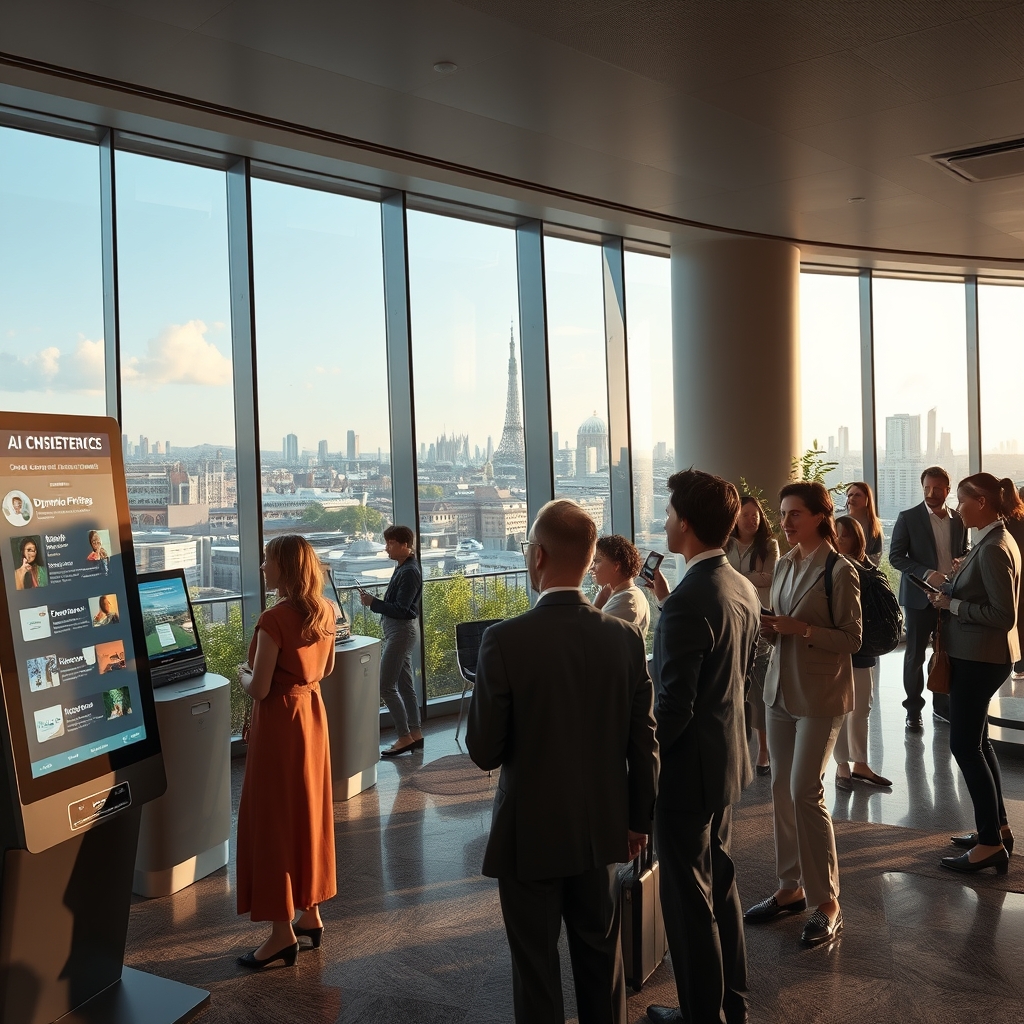
How to Leverage AI, Dynamic Pricing, and Local Insights for Smarter Hotel Bookings in 2026
Planning a trip in 2026 means navigating a travel landscape shaped by AI-driven personalization, real-time pricing shifts, and a growing demand for authentic local experiences. Whether you’re a frequent business traveler, a budget-conscious explorer, or someone prioritizing sustainability, this guide will show you how to book hotels that align with your needs—without overspending or compromising on quality. You’ll learn how to decode dynamic pricing, use AI tools to uncover hidden deals, and tap into local insights that transform a standard stay into a memorable one.
Key Takeaways
- Dynamic pricing is the new norm: Hotel rates fluctuate based on demand, local events, and even weather—book at the right time to save up to 30%.
- AI tools streamline decision-making: From chatbots that negotiate rates to apps predicting the best booking windows, technology is your ally.
- Local experiences drive value: Hotels partnering with neighborhood guides, artisans, and chefs offer unique perks that go beyond traditional amenities.
- Sustainability isn’t optional: Travelers in 2026 prioritize eco-friendly stays, with 68% willing to pay more for properties with verified green certifications (Global Sustainable Tourism Council).
How Can You Outsmart Dynamic Pricing to Secure the Best Hotel Rates?
Dynamic pricing—where hotel rates adjust in real-time based on demand, occupancy, and external factors—is no longer limited to airlines. In 2026, nearly 80% of hotels use algorithms to optimize pricing, making it harder to predict the “best” time to book. However, tools like Google’s Hotel Price Insights or Hopper’s predictive analytics can help you identify patterns. For example, booking mid-week stays in business districts often yields lower rates, as corporate travel demand dips.
Another strategy is to monitor local events. A major conference, festival, or even a sudden weather event (like a heatwave or storm) can spike prices by 20-50%. Apps like Eventbrite or Skyscanner’s “Whole Month” view let you cross-reference dates with city-wide happenings. If flexibility is an option, aim for shoulder seasons—periods just before or after peak travel—when rates drop but weather remains favorable.
What Role Does AI Play in Finding Hidden Deals?
AI-powered chatbots and virtual assistants are reshaping how travelers discover and book hotels. Platforms like Kayak’s AI concierge or Booking.com’s Price Forecast analyze historical data to recommend the optimal booking window. Some tools even negotiate directly with hotels for last-minute discounts, especially for same-day check-ins where occupancy is uncertain.
For those willing to experiment, AI-driven loyalty programs offer personalized perks. For instance, Marriott’s Bonvoy AI tailors rewards based on your travel history, suggesting properties where you’ll earn bonus points or free upgrades. Similarly, Expedia’s “Packages” feature bundles flights and hotels, often at a 10-20% discount compared to booking separately.
How Can You Use Local Insights to Elevate Your Stay?
In 2026, travelers crave more than just a place to sleep—they want experiences that connect them to the destination. Hotels are responding by partnering with local businesses to offer curated perks. For example, Accor’s “Local Experiences” program provides guests with discounts at neighborhood restaurants, workshops with artisans, or guided tours led by residents. These add-ons often cost less than traditional tourist traps while delivering richer cultural immersion.
Another trend is “hyper-local” concierge services. Apps like Withlocals or Airbnb Experiences connect travelers with locals for off-the-beaten-path activities, from cooking classes to hidden hiking trails. Some hotels even integrate these services into their booking platforms, allowing you to pre-plan activities before arrival.
What Should You Look for in a Sustainable Hotel?
Sustainability is a top priority for travelers in 2026, with 72% of global tourists stating they prefer eco-friendly accommodations (source: Global Sustainable Tourism Council). Look for certifications like LEED, Green Key, or EarthCheck, which verify a hotel’s environmental practices. Key features to prioritize include:
- Energy efficiency: Solar panels, LED lighting, and smart thermostats reduce carbon footprints.
- Water conservation: Low-flow showers, towel reuse programs, and rainwater harvesting systems.
- Local sourcing: Hotels that partner with nearby farms or artisans for food and amenities.
- Waste reduction: Composting, recycling programs, and plastic-free operations.
Many booking platforms now filter for sustainable properties. Booking.com’s “Travel Sustainable” badge or Expedia’s eco-friendly filter make it easy to find hotels that align with your values without sacrificing comfort.
How Can You Balance Tech and Human Touch for a Seamless Stay?
While AI and automation streamline bookings, travelers in 2026 still value human connection. Hotels are striking a balance by offering tech-enabled personalization. For example, Hilton’s Digital Key allows contactless check-in, while Four Seasons’ Chat provides 24/7 concierge support via messaging. These tools save time but don’t eliminate the option for in-person service when needed.
Another emerging trend is “smart rooms” equipped with voice assistants like Alexa or Google Home, allowing you to control lighting, temperature, and entertainment with simple commands. However, privacy concerns mean many travelers opt for manual controls—so hotels now offer both options. When booking, check if the property provides a digital privacy policy to ensure your data is protected.
As you plan your next trip, focus on tools and strategies that align with your priorities—whether it’s saving money, reducing your environmental impact, or immersing yourself in local culture. Start by auditing your travel habits: Do you book last-minute or plan months ahead? Do you prioritize convenience or unique experiences? Use these insights to refine your approach, and don’t hesitate to experiment with AI tools or local partnerships. The hotels of 2026 are designed to adapt to your needs—your job is to leverage them wisely.
