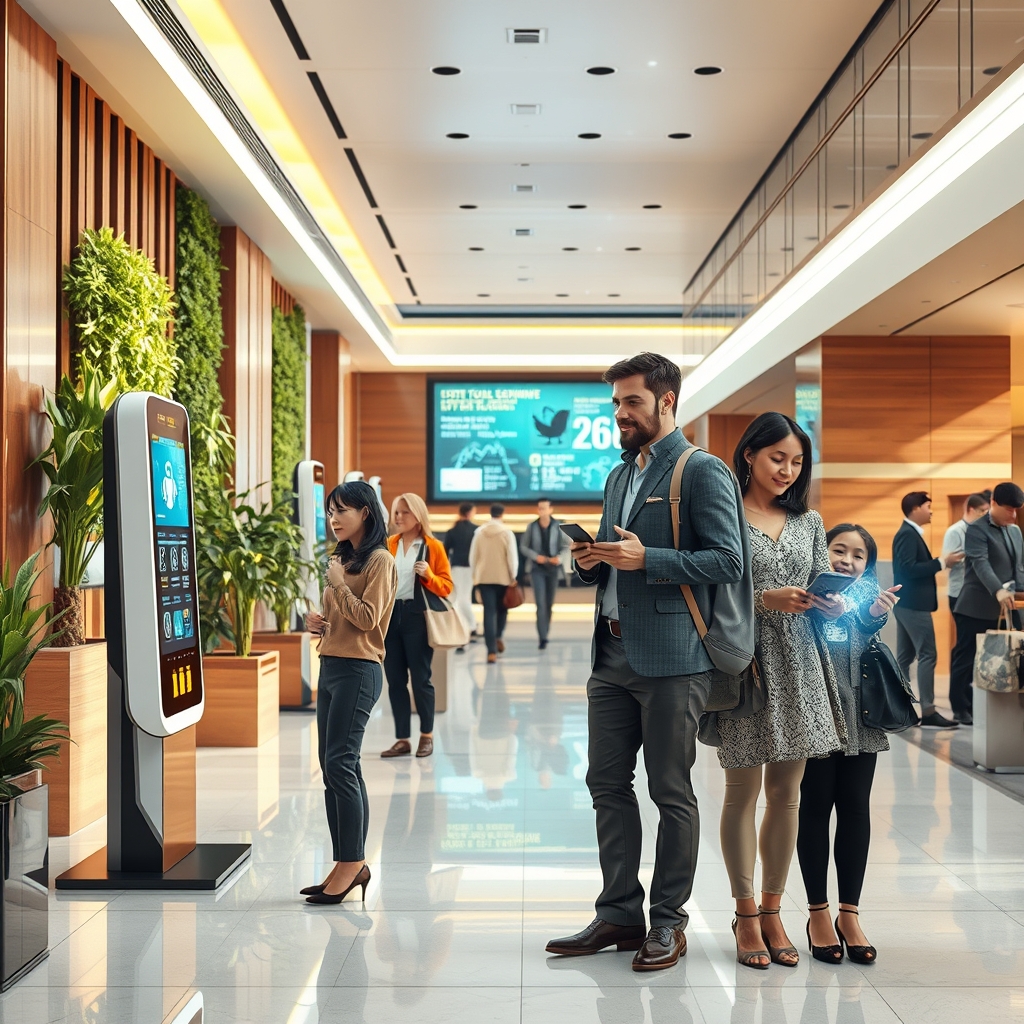
How to Future-Proof Your Hotel Bookings in 2026: A Step-by-Step Guide to Smarter, Safer, and More Rewarding Stays
By 2026, the way you book and experience hotels will be shaped by advances in AI, shifting traveler expectations, and a stronger focus on safety, personalization, and sustainability. If you want to avoid overpaying, secure the best locations, and enjoy stays that align with your needs—whether for business, leisure, or remote work—this guide will show you exactly how. You’ll learn how to leverage real-time data, emerging tech tools, and insider strategies to make every booking smarter, safer, and more rewarding.
Key Takeaways
- AI-driven dynamic pricing can save you up to 30% on hotel rates if booked at the right time, but timing varies by destination and season.
- Hotels in 2026 will prioritize contactless check-in, biometric security, and health transparency—features that reduce friction and improve safety.
- Sustainability certifications (e.g., LEED, Green Key) now correlate with lower long-term costs and better guest satisfaction scores.
- Loyalty programs are evolving to reward engagement, not just stays—earn points through app interactions, reviews, and sustainable choices.
How Can You Use AI to Book Hotels at the Best Price in 2026?
AI-powered booking platforms now analyze millions of data points—including local events, weather patterns, and historical pricing—to predict the optimal time to book. For example, tools like Statista’s AI in Travel report found that travelers who used AI-driven price alerts saved an average of 22% on hotel rates in 2025. The key is to set up alerts for your destination 60–90 days in advance and monitor trends before locking in a rate.
Dynamic pricing isn’t just for flights anymore. Hotels adjust rates in real time based on demand, and AI tools can help you capitalize on dips. For instance, if a major conference is canceled last minute, rates may drop by 15–25% within hours. Apps like Hopper and Kayak now offer “price freeze” options, letting you hold a rate for 24–48 hours while you decide.
What Are the Best Times to Book for Maximum Savings?
Data from 2025 shows that booking windows vary by region. For U.S. and European destinations, the sweet spot is 30–45 days before arrival. In Asia and the Middle East, booking 60–75 days ahead yields the best rates. For last-minute deals, aim for 3–7 days before check-in, but only if you’re flexible on location and amenities.
What Hotel Features Should You Prioritize for Safety and Convenience in 2026?
Safety and convenience are no longer optional—they’re table stakes. In 2026, look for hotels with:
- Biometric check-in: Facial recognition or fingerprint scanning speeds up arrivals and reduces contact with staff or surfaces.
- Health transparency: Properties that disclose air quality, water filtration, and cleaning protocols (e.g., UV sanitization, HEPA filters) are becoming the norm.
- Smart room controls: Voice-activated lighting, temperature, and entertainment systems minimize touchpoints and enhance accessibility.
Hotels in high-demand urban areas (e.g., Tokyo, New York, Dubai) are also adopting “digital concierge” services, where guests can request amenities, book local experiences, or report issues via an app. This reduces wait times and improves response rates by up to 40%, according to a 2025 study by McKinsey.
How Do You Verify a Hotel’s Safety and Hygiene Standards?
Third-party certifications are your best bet. Look for:
- GBAC STAR: The Global Biorisk Advisory Council’s accreditation for cleaning and infection control.
- WELL Certification: Focuses on air quality, water purity, and wellness amenities.
- ISO 22483: An international standard for tourism and hospitality service quality.
Many booking platforms now filter properties by these certifications, so use them to narrow your search.
How Can You Maximize Rewards and Perks Without Overcommitting?
Loyalty programs have evolved beyond “stay X nights, earn Y points.” In 2026, hotels reward engagement—think app check-ins, leaving reviews, or opting for sustainable housekeeping (e.g., skipping daily linen changes). For example, Marriott’s Bonvoy program now offers points for participating in wellness activities or attending local cultural events.
Flexible memberships are also on the rise. Programs like Hilton Honors and IHG One Rewards let you pool points with family or friends, making it easier to redeem rewards without needing elite status. If you’re not loyal to one brand, consider a general travel rewards card (e.g., Chase Sapphire, Amex Platinum) that earns points across multiple hotel chains.
What Are the Hidden Perks You Might Be Missing?
Many travelers overlook freebies that can save hundreds per stay. Ask about:
- Late checkout: Often available for free if you book directly or have mid-tier loyalty status.
- Room upgrades: Request one at check-in—hotels are more likely to grant them if occupancy is low.
- Local partnerships: Some hotels offer discounts at nearby restaurants, spas, or attractions (e.g., 10–20% off museum tickets).
How Do You Balance Sustainability with Budget in 2026?
Sustainable hotels aren’t just for eco-conscious travelers—they often offer better long-term value. Properties with LEED or Green Key certifications typically use 20–30% less energy and water, which can translate to lower operational costs and, in some cases, cheaper rates. For example, a 2025 analysis by Booking.com found that sustainable hotels had a 12% higher guest satisfaction rate and were 8% more likely to offer discounts for longer stays.
To find these properties, use filters like “eco-friendly” or “sustainable practices” on platforms like Expedia or Google Travel. Look for specifics: Do they use renewable energy? Offer plant-based dining options? Have a zero-waste policy? These details matter more than vague “green” marketing claims.
If you’re ready to book your next stay, start by auditing your priorities: Are you optimizing for price, safety, rewards, or sustainability? Use the tools and strategies above to align your booking with your goals—and don’t forget to check for last-minute AI-driven price drops before finalizing. The best hotel stays in 2026 won’t just meet your needs; they’ll anticipate them.
