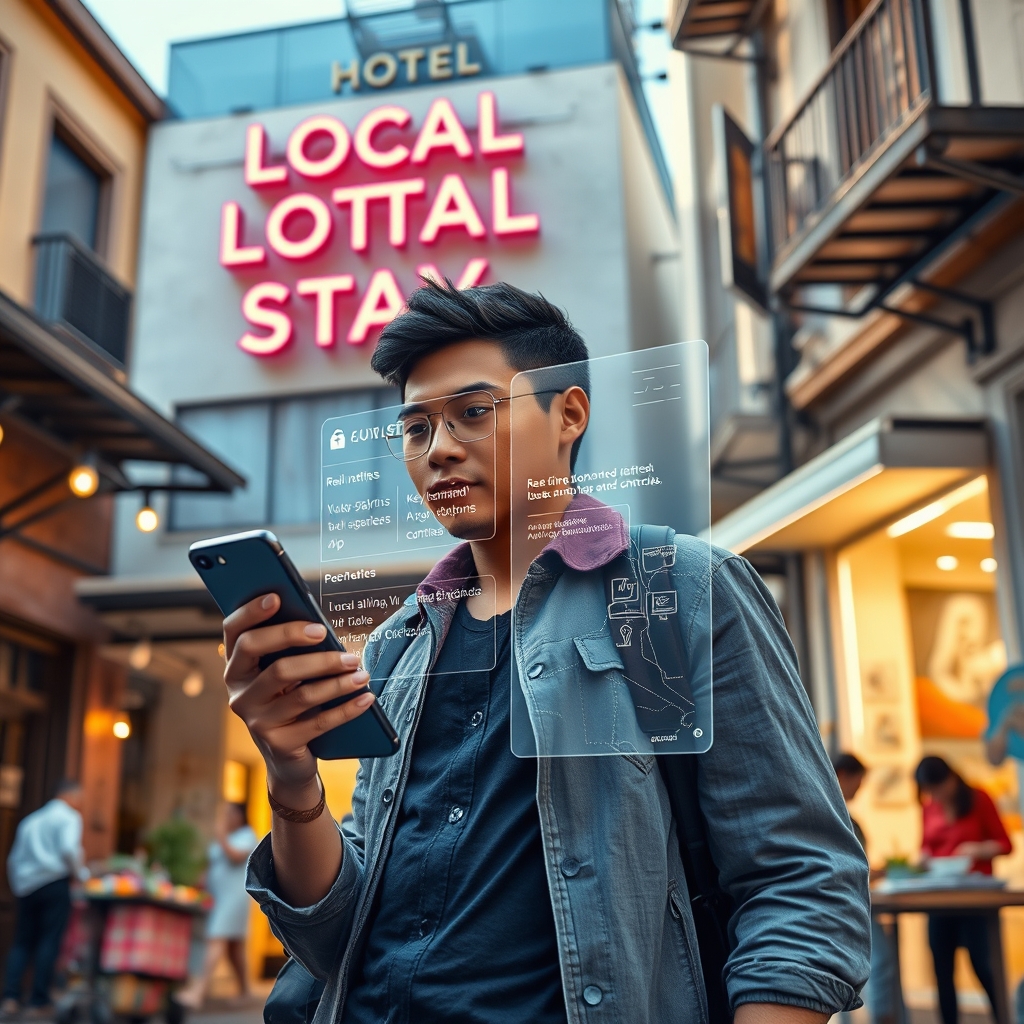
2026 Travel & Hotels: How to Book Stays That Align With Real-Time Demand, Local Authenticity, and Smart Tech
By 2026, booking travel and hotels isn’t just about price or location—it’s about real-time demand, local authenticity, and smart tech that adapts to your needs before you even ask. In this guide, you’ll learn how to secure stays that match your travel style, leverage AI-driven tools for better decisions, and tap into hyper-local experiences that most travelers miss. Whether you’re planning a solo adventure, a family getaway, or a business trip, these strategies will help you book smarter, stay better, and make the most of every destination.
Key Takeaways
- Real-time demand tools let you book hotels at optimal prices by analyzing occupancy trends, not just static rates.
- AI-powered platforms now predict your preferences (e.g., quiet rooms, local dining) before you search, reducing decision fatigue.
- Hyper-local stays—like boutique hotels or community-hosted lodgings—offer deeper cultural immersion than traditional chains.
- Smart tech in hotels (e.g., keyless entry, voice-activated controls) is becoming standard, but not all properties deliver the same experience.
How Do Real-Time Demand Tools Change Hotel Booking in 2026?
Gone are the days of guessing whether a hotel’s price will drop. In 2026, real-time demand tools use live occupancy data, local events, and even weather patterns to predict the best booking windows. Platforms like American Hotel & Lodging Association (AHLA) report that hotels adjusting rates dynamically see up to 20% higher revenue, which often translates to better deals for travelers who book at the right time.
For example, if a major conference is announced in a city, demand tools will flag rising prices weeks in advance, letting you lock in a rate before the surge. Conversely, if a hotel’s occupancy dips unexpectedly, you might snag a last-minute discount. These tools integrate with booking apps, so you can set alerts for price drops or demand spikes in your preferred neighborhoods.
What Are the Best Tools for Real-Time Booking?
Leading platforms like Hopper, Kayak, and Google Travel now include demand forecasting in their search results. Hopper’s “Price Freeze” feature, for instance, lets you reserve a rate for up to 7 days while you decide, protecting you from sudden increases. Meanwhile, Google Travel’s “Demand Insights” shows color-coded heatmaps of high- and low-occupancy periods, helping you avoid peak pricing.
For business travelers, tools like TripActions and Navan analyze corporate travel patterns to recommend hotels with the best availability and loyalty perks. These platforms also sync with expense systems, streamlining reimbursements and reducing paperwork.
How Can You Use AI to Personalize Your Hotel Stay Before Booking?
AI isn’t just for chatbots—it’s reshaping how you discover and book hotels. In 2026, AI-driven platforms like Lola and Duetto use your past stays, reviews, and even social media activity to predict your preferences. For example, if you consistently book hotels with rooftop bars or quiet floors, the AI will prioritize those options in your search results.
These tools also factor in contextual data, like the purpose of your trip. A family vacation search might surface hotels with kid-friendly amenities, while a solo work trip could highlight properties with co-working spaces. Some platforms even analyze your calendar to suggest hotels near your meeting locations, saving you commute time.
What AI Features Should You Look For?
Key AI features to prioritize include:
- Preference Learning: AI that remembers your past choices (e.g., room type, breakfast options) and refines future recommendations.
- Dynamic Upselling: Offers for upgrades or add-ons (e.g., spa credits, late checkout) tailored to your profile, often at a discount.
- Voice Search: Hands-free booking via smart speakers or mobile assistants, ideal for last-minute changes.
Why Are Hyper-Local Stays Gaining Popularity in 2026?
Travelers in 2026 are increasingly seeking authenticity over generic luxury. Hyper-local stays—like boutique hotels, guesthouses, or even community-hosted lodgings—offer immersive experiences that chain hotels can’t match. A 2025 report by Skift found that 68% of travelers under 40 prefer accommodations that reflect the local culture, even if it means sacrificing some amenities.
These stays often include perks like guided neighborhood tours, cooking classes with local chefs, or partnerships with nearby artisans. For example, a boutique hotel in Lisbon might offer a fado music workshop, while a guesthouse in Kyoto could arrange a tea ceremony with a local family. Booking platforms like Airbnb and Selina now highlight these experiences in their search filters, making it easier to find stays that align with your interests.
How Do You Vet Hyper-Local Stays for Quality?
Not all hyper-local stays are created equal. To avoid disappointments, check for:
- Host Profiles: Look for detailed bios, past guest reviews, and response rates. Platforms like Airbnb now verify host identities, adding a layer of trust.
- Local Partnerships: Stays that collaborate with nearby businesses (e.g., restaurants, tour guides) often provide more authentic experiences.
- Sustainability Practices: Many hyper-local stays prioritize eco-friendly initiatives, like zero-waste policies or support for local conservation efforts.
What Smart Tech Should You Expect in Hotels by 2026?
Smart tech is no longer a luxury—it’s an expectation. By 2026, most mid-range and upscale hotels will offer:
- Keyless Entry: Mobile apps or biometric scanners (e.g., fingerprint, facial recognition) replace traditional keys, reducing wait times at check-in.
- Voice-Activated Controls: Rooms with integrated assistants (e.g., Alexa, Google Assistant) let you adjust lighting, temperature, or request services hands-free.
- Personalized Room Settings: Hotels use your profile to set your preferred room temperature, lighting, and even TV channels before you arrive.
- Contactless Payments: Mobile wallets or in-app payments streamline check-out, eliminating the need for front-desk interactions.
However, not all hotels implement these features equally. Before booking, check the property’s tech amenities on its website or third-party review sites. Some hotels offer “smart rooms” as an upgrade, while others include them as standard. If tech is a priority, filter for properties with high ratings for connectivity and automation.
To make the most of your 2026 travels, start by auditing your past hotel stays. Identify what worked (e.g., location, amenities) and what didn’t (e.g., noise, lack of local flavor). Then, use real-time demand tools and AI-driven platforms to find properties that align with your refined preferences. For hyper-local stays, reach out to hosts directly to ask about unique experiences—many will customize your visit if you express interest. Finally, test one or two smart tech features during your next trip, like mobile check-in or voice-activated controls, to see how they enhance your stay. The future of travel isn’t just about where you go—it’s about how seamlessly your hotel adapts to you.
