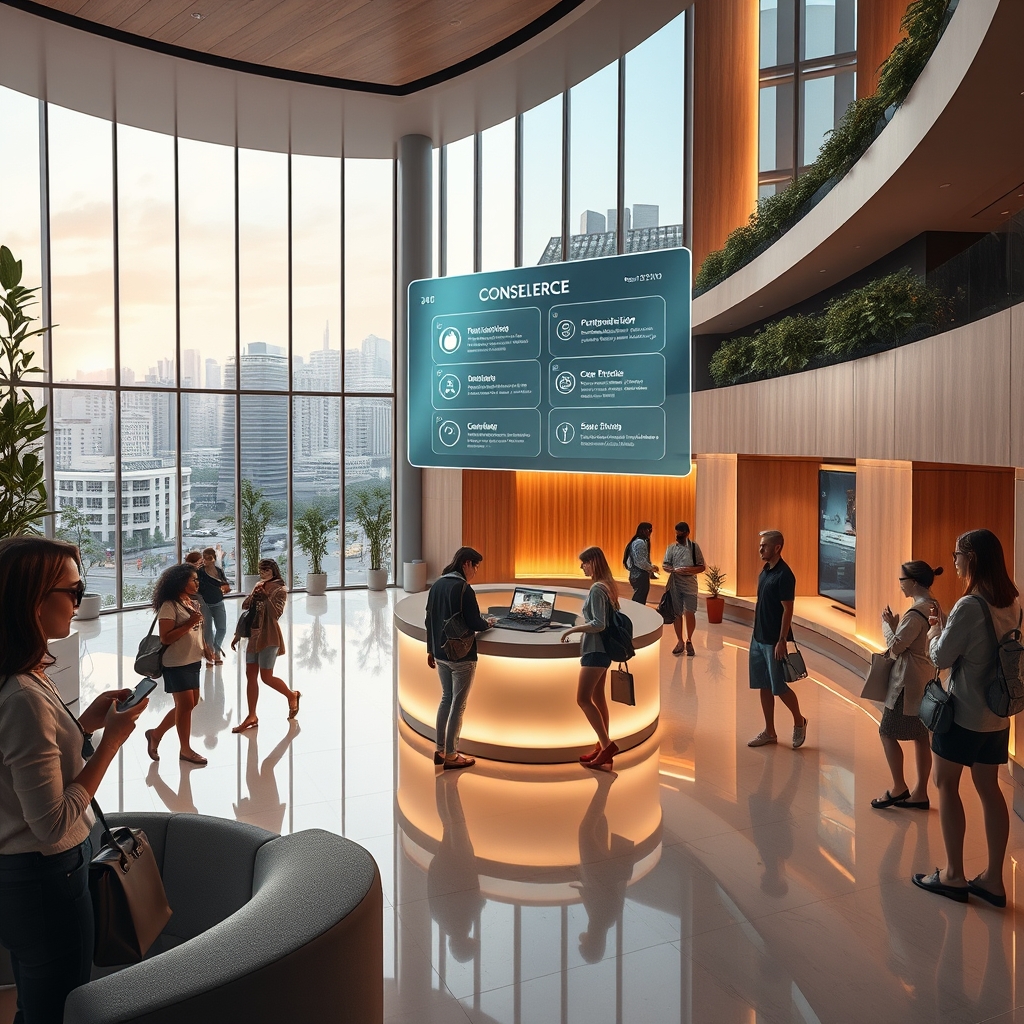
By 2026, booking travel and hotels won’t just be about finding a place to sleep—it’ll be about securing stays that adapt to your preferences, predict your needs, and align with real-time conditions. Whether you’re a frequent flyer, a budget-conscious explorer, or a luxury seeker, you’ll learn how to leverage AI-driven insights, dynamic pricing, and hyper-personalized amenities to book smarter. This guide covers how to evaluate hotels based on predictive tech, sustainability credentials, and local authenticity—so you can avoid overpaying, minimize stress, and maximize every trip’s potential.
Key Takeaways
- AI-powered booking tools will surface hotels that match your past behavior, real-time demand, and even mood—reducing decision fatigue.
- Dynamic pricing isn’t just for flights; hotels now adjust rates hourly based on occupancy, local events, and weather forecasts.
- Sustainability certifications (like LEED or Green Key) will influence bookings as travelers prioritize eco-conscious stays—without sacrificing comfort.
- Local immersion perks (e.g., insider guides, neighborhood partnerships) will replace generic concierge services, offering deeper cultural connections.
How Can AI Predict the Best Hotel for Your Next Trip?
In 2026, AI won’t just recommend hotels—it’ll anticipate your needs before you articulate them. Platforms like Google Travel and Booking.com’s AI assistant analyze your search history, past stays, and even calendar events to suggest properties that align with your habits. For example, if you typically book boutique hotels in arts districts, the AI will prioritize similar options in your next destination, factoring in real-time availability and local events.
This goes beyond basic filters. AI tools now integrate with wearable devices to adjust recommendations based on stress levels (e.g., suggesting quieter properties after a long flight) or dietary preferences (e.g., highlighting hotels with plant-based dining partnerships). The result? Fewer generic suggestions and more stays that feel tailor-made.
What Data Points Should You Trust?
Not all AI recommendations are equal. Focus on platforms that transparently disclose their data sources, such as UNWTO’s tourism insights or verified guest reviews from trusted aggregators. Avoid tools that rely solely on paid placements or outdated metrics like star ratings, which don’t reflect modern priorities like sustainability or tech integration.
Why Dynamic Pricing Is Your Secret Weapon for Saving on Hotels
Gone are the days of static hotel rates. In 2026, dynamic pricing algorithms adjust costs hourly based on occupancy, local demand, and even weather patterns. A beachfront hotel might drop prices if a storm is forecasted, while a city-center property could spike rates during a major conference. Tools like Hopper or Kayak’s price prediction feature use historical data to flag the best booking windows, helping you lock in rates before they climb.
Pro tip: Set up price alerts for your preferred dates and destinations. Many platforms now offer “price freeze” options, letting you reserve a room at today’s rate while paying later—ideal for travelers who want flexibility without risking price hikes.
How to Avoid Overpaying During Peak Seasons
Peak travel seasons (e.g., holidays, festivals) see the most dramatic price fluctuations. To outsmart surges, book 3–6 months in advance for domestic trips and 6–9 months for international stays. Use tools like Skyscanner’s “Everywhere” search to compare prices across multiple destinations, or leverage loyalty programs that offer members-only discounts during high-demand periods.
How to Spot Hotels That Align With Your Values—Without Compromising Comfort
Sustainability isn’t a niche concern in 2026—it’s a baseline expectation. Travelers now prioritize hotels with verifiable eco-credentials, such as energy-efficient designs, zero-waste initiatives, or partnerships with local conservation projects. Look for certifications like LEED, Green Key, or EarthCheck, which audit properties for environmental and social impact. Platforms like Ecobnb or BookDifferent curate stays based on these standards, making it easier to filter options.
But sustainability isn’t just about the environment. Hotels that invest in fair-wage staffing, support local artisans, or offer carbon-offset programs are gaining traction. For example, properties like Six Senses or 1 Hotels provide transparency reports on their community contributions, helping you align your stay with your values.
What Red Flags Should You Watch For?
Beware of “greenwashing”—hotels that claim sustainability without proof. Check for third-party certifications or ask for specifics (e.g., “How do you reduce water waste?”). Avoid properties that rely on single-use plastics, lack recycling programs, or have no clear energy-saving policies. A quick scan of guest reviews can reveal whether a hotel’s eco-claims hold up in practice.
How to Unlock Local Experiences Through Your Hotel Booking
In 2026, hotels are no longer just a place to stay—they’re gateways to local culture. Forward-thinking properties now partner with neighborhood businesses to offer exclusive perks, like behind-the-scenes tours, cooking classes with local chefs, or discounts at indie boutiques. Platforms like Airbnb’s “Experiences” or Marriott’s “Local Escapes” bundle stays with curated activities, so you can dive deeper into your destination without the hassle of planning.
For example, a hotel in Lisbon might offer a private fado music session or a guided walk through Alfama’s hidden alleys. These perks aren’t just add-ons—they’re designed to replace generic tourist traps with authentic, memorable moments. When booking, look for properties that highlight partnerships with local guides, artists, or NGOs to ensure your stay supports the community.
How to Vet Local Partnerships for Authenticity
Not all “local” experiences are created equal. To avoid tourist traps, research the businesses your hotel partners with. Are they owned by locals, or are they chains masquerading as indie spots? Do they pay fair wages and source materials ethically? A quick search on platforms like Google Reviews or TripAdvisor can reveal whether an experience delivers on its promises. Better yet, ask the hotel for details about their partners’ values and practices.
By 2026, the best hotel bookings won’t just meet your needs—they’ll anticipate them. Start by auditing your past stays: What worked, what didn’t, and what perks would have made the experience seamless? Use that insight to refine your search, leveraging AI tools, dynamic pricing, and sustainability filters to find properties that align with your priorities. The next time you travel, you won’t just book a room—you’ll book a stay that feels like it was designed for you, before you even knew you needed it.