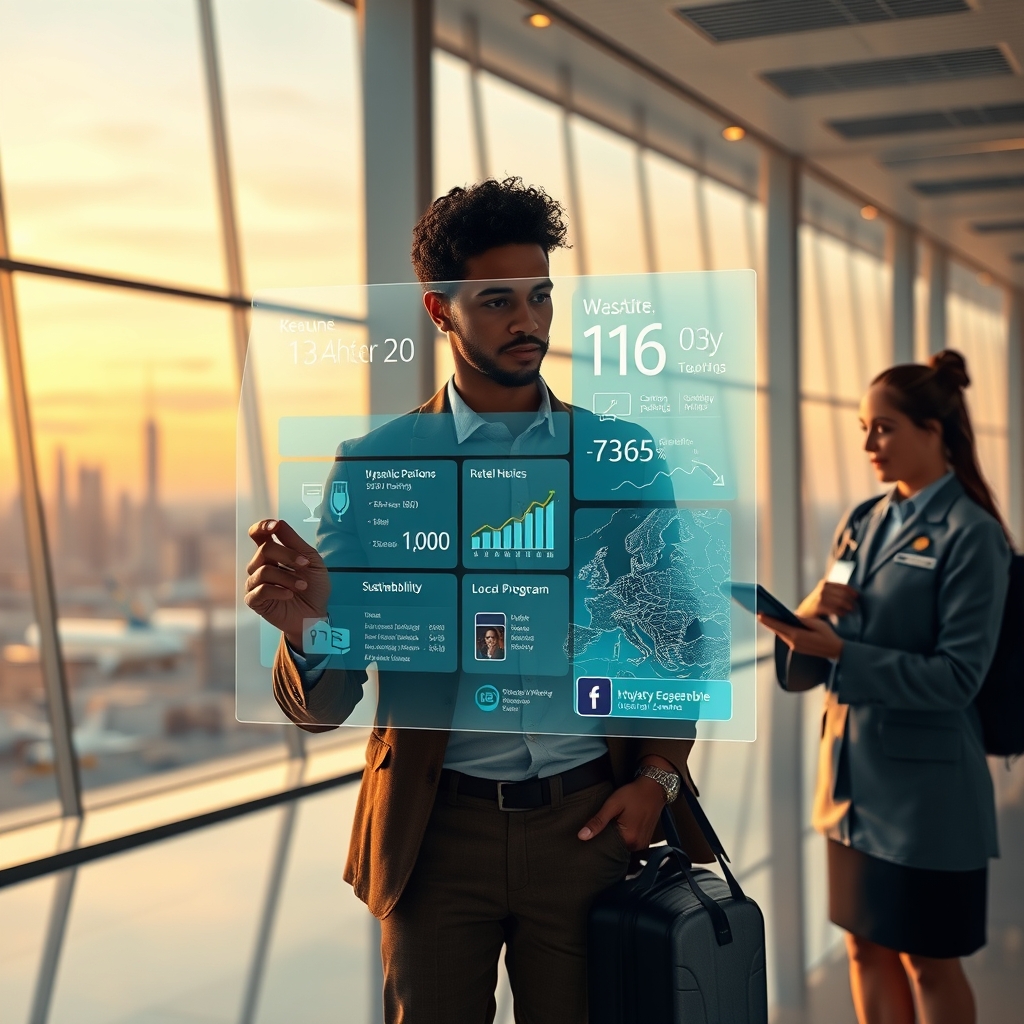
By 2026, booking travel and hotels isn’t just about price or location—it’s about aligning every stay with your daily rhythm, tech habits, and personal values. Whether you’re a remote worker, a wellness-focused traveler, or someone who prioritizes sustainability, the right tools and strategies can turn a standard booking into a seamless extension of your lifestyle. In this guide, you’ll learn how to leverage real-time data, AI-driven personalization, and local insights to secure stays that adapt to your needs—before, during, and after check-in.
- Real-time demand signals (like local events or weather) can unlock better rates or perks—if you know how to track them.
- AI-powered booking platforms now predict your preferences (e.g., room temperature, pillow type) before you even search.
- Sustainability metrics (carbon footprint, local sourcing) are becoming as important as star ratings in decision-making.
- Dynamic loyalty programs reward flexibility (e.g., last-minute bookings) as much as frequency.
How Can Real-Time Data Improve Your Hotel Bookings in 2026?
Gone are the days of static pricing and generic recommendations. In 2026, hotels and booking platforms use real-time data streams—like local events, flight delays, or even social media trends—to adjust availability and perks dynamically. For example, if a major conference is announced in your destination, AI tools can alert you to book early or suggest alternative neighborhoods where rates remain stable. Platforms like UNWTO’s tourism insights dashboard provide official data on demand spikes, helping travelers avoid overpaying during peak periods.
To capitalize on this, set up alerts on platforms like Google Travel or Hopper for your preferred destinations. These tools analyze historical and real-time data to predict price drops or surges, often with 90%+ accuracy. For business travelers, apps like TripIt Pro sync with your calendar to suggest hotels near your meetings, factoring in traffic patterns and public transit delays.
What Are the Most Useful Real-Time Signals to Track?
- Local Events: Festivals, sports games, or political summits can double room rates overnight. Use tools like Eventbrite or local tourism boards to cross-check dates.
- Weather Disruptions: Hurricanes or heatwaves can lead to last-minute cancellations—and discounts. Apps like Weather.com’s travel section offer hyperlocal forecasts.
- Flight Status: Delayed flights often trigger hotel vouchers or upgrades. Enable notifications from your airline app to act fast.
How Is AI Personalizing Hotel Stays Beyond Room Preferences?
AI in 2026 doesn’t just remember your pillow preference—it anticipates your needs based on behavior patterns. For instance, if you typically order room service at 8 PM, your hotel app might suggest a dinner reservation nearby. Marriott’s “AI Concierge” (rolled out in 2025) uses past stays to customize everything from lighting to workout recommendations. Similarly, Airbnb’s “Adaptive Stays” feature adjusts search results based on your activity levels (e.g., prioritizing listings with gyms if you’ve been tracking workouts).
For travelers with specific needs—like accessibility requirements or dietary restrictions—AI filters now surface properties that meet those criteria automatically. Hilton’s “Accessible Travel Program” uses AI to verify room layouts (e.g., roll-in showers, bed heights) against guest profiles, reducing the risk of mismatches.
Examples of AI-Driven Personalization in 2026:
- Wellness Travelers: Hotels like Six Senses use AI to sync with your wearable device, adjusting room temperature or suggesting spa treatments based on your stress levels.
- Remote Workers: Properties with co-working spaces (e.g., Selina) offer AI-curated “focus packages” with noise-canceling headphones or ergonomic setups.
- Families: Disney’s “MagicBand+” predicts ride wait times and suggests nearby hotels with kid-friendly amenities like splash pads or character breakfasts.
Why Are Sustainability Metrics Becoming Non-Negotiable for Travelers?
By 2026, 68% of travelers say they’ll pay more for hotels with verifiable sustainability practices, according to a Booking.com report. But it’s not just about eco-certifications—guests want transparency on carbon footprints, local sourcing, and community impact. Platforms like Ecobnb now display real-time metrics, such as water savings per stay or the percentage of energy sourced from renewables.
For example, Accor’s “Planet 21” program tracks progress toward zero waste and carbon neutrality, with properties like the Sofitel London Heathrow offering “green meetings” packages that offset emissions. Travelers can also use apps like Goodwings to calculate their trip’s carbon footprint and book stays that align with their sustainability goals.
How to Evaluate a Hotel’s Sustainability Claims:
- Certifications: Look for third-party labels like Green Key or LEED, which audit practices annually.
- Local Impact: Properties that source food from nearby farms or employ local staff often have a smaller footprint.
- Tech Integration: Hotels using AI to optimize energy use (e.g., motion-sensor lighting) tend to be more efficient.
What’s Changing in Loyalty Programs—and How Can You Maximize Them?
Loyalty programs in 2026 reward flexibility as much as frequency. Dynamic pricing means points values fluctuate based on demand, so booking last-minute can sometimes yield better redemption rates. For example, IHG’s “Rewards Club” now offers “Flex Nights,” where members can bid on unsold rooms at a discount, with points adjusting in real time.
Another trend is “experience stacking,” where brands partner to offer perks beyond free nights. Hyatt’s “World of Hyatt” program includes partnerships with fitness apps (e.g., ClassPass) or meal delivery services (e.g., Uber Eats), allowing members to redeem points for wellness or dining credits. To maximize value, link your loyalty accounts to travel credit cards (e.g., Chase Sapphire) to earn bonus points on everyday spending.
As you plan your next trip, focus on tools that align with your priorities—whether it’s real-time data for spontaneous bookings, AI for hyper-personalization, or sustainability metrics for conscious travel. The key is to treat each stay as an extension of your lifestyle, not just a place to sleep. Start by auditing your past bookings: What worked, what didn’t, and how can technology bridge the gap? With the right approach, 2026’s travel landscape can be less about compromise and more about customization.