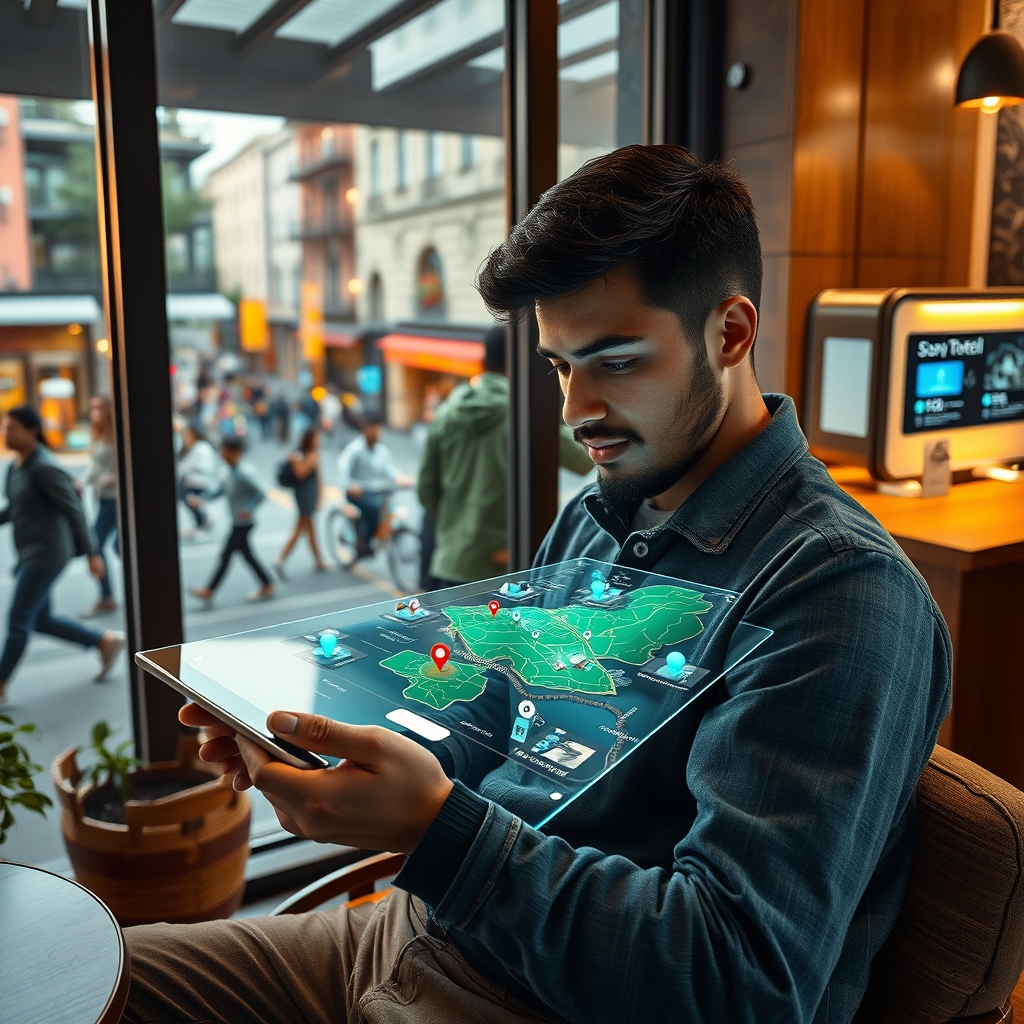
How to Book Hotels in 2026: A Step-by-Step Guide to Effortless Stays, Real-Time Savings, and Local Authenticity
Planning a trip in 2026 means navigating a travel landscape shaped by AI-driven personalization, dynamic pricing, and a growing demand for authentic local experiences. Whether you’re a frequent traveler or planning your first getaway, this guide will show you how to book hotels that align with your budget, preferences, and real-time travel conditions—without the guesswork. You’ll learn how to leverage cutting-edge tools, avoid common pitfalls, and secure stays that enhance your trip from check-in to check-out.
- AI-powered booking platforms in 2026 analyze your travel history, preferences, and real-time demand to suggest hotels that match your needs before you even search.
- Dynamic pricing and last-minute deals are more transparent, but understanding how to navigate them can save you up to 30% on stays.
- Local authenticity—like neighborhood immersion and sustainable practices—is now a top priority for travelers, influencing hotel choices more than ever.
- Tech integrations, such as seamless check-ins and personalized room settings, are standard in 2026, making convenience a baseline expectation.
How Do AI and Real-Time Data Simplify Hotel Bookings in 2026?
In 2026, AI isn’t just a buzzword—it’s the backbone of smarter travel planning. Booking platforms now use machine learning to analyze your past stays, search behavior, and even social media activity to predict what you’ll need before you articulate it. For example, if you frequently book hotels with gyms or near public transit, AI will prioritize those options in your search results. This level of personalization reduces decision fatigue and ensures your stay aligns with your lifestyle.
Real-time data also plays a critical role. Platforms like Google Travel and Booking.com now integrate live updates on local events, weather conditions, and even traffic patterns to recommend hotels that optimize your experience. If a major festival is happening in your destination, for instance, the system might suggest a quieter neighborhood or a hotel with soundproofed rooms. This proactive approach saves time and helps you avoid overpaying for last-minute demand surges.
What Are the Best Tools for AI-Driven Hotel Searches?
Several platforms stand out in 2026 for their AI-driven capabilities. Hopper’s AI predicts price drops and alerts you when it’s the best time to book, while Kayak’s Price Forecast uses historical data to recommend whether to book now or wait. For hyper-personalized suggestions, TripIt Pro syncs with your calendar and preferences to curate hotel options that fit your itinerary seamlessly.
These tools don’t just stop at booking—they adapt. If your flight is delayed, AI might suggest a closer hotel or adjust your check-in time automatically. This level of integration ensures your travel plans remain flexible and stress-free.
How Can You Save Money on Hotels Without Sacrificing Quality?
Dynamic pricing is more sophisticated in 2026, but it’s also more transparent. Hotels now use algorithms to adjust rates based on demand, local events, and even competitor pricing in real time. To capitalize on this, travelers should monitor price trends using tools like HotelTonight or Skyscanner, which highlight last-minute deals and flash sales. Booking during off-peak hours—like early mornings or weekdays—can also yield discounts of up to 20%.
Another strategy is to leverage loyalty programs. In 2026, these programs are more flexible, allowing you to earn and redeem points across multiple brands. For example, Marriott Bonvoy and Hilton Honors now partner with airlines and ride-sharing services, letting you use points for flights, upgrades, or even local experiences. This interconnectedness maximizes value and makes loyalty programs more worthwhile than ever.
Are Last-Minute Bookings Still a Good Idea?
Last-minute bookings can still offer savings, but the approach has evolved. In 2026, hotels use AI to predict occupancy rates with near-perfect accuracy, meaning they’re less likely to slash prices dramatically at the last minute. However, platforms like HotelTonight still negotiate exclusive deals with hotels looking to fill unsold rooms. The key is to book 24-48 hours in advance, when hotels are most motivated to avoid empty inventory.
For travelers with flexible schedules, apps like Dayuse offer daytime bookings at discounted rates, ideal for layovers or short stays. This trend reflects a broader shift toward on-demand travel, where convenience and cost-efficiency go hand in hand.
Why Is Local Authenticity a Top Priority for Travelers in 2026?
In 2026, travelers are increasingly seeking stays that offer more than just a place to sleep—they want experiences that connect them to the local culture. Hotels are responding by partnering with neighborhood businesses, offering curated local tours, and even designing rooms with regionally sourced materials. This shift is driven by a growing demand for sustainable and immersive travel, as highlighted in a 2025 report by the World Tourism Organization, which found that 72% of travelers prioritize destinations and accommodations that support local communities.
Platforms like Airbnb and Selina have expanded their offerings to include co-living spaces and community-driven experiences, blurring the line between hotels and local immersion. Even traditional hotels are getting in on the trend: chains like Accor now offer “local discovery” packages that include guided walks, cooking classes, or volunteer opportunities.
How Can You Find Hotels That Align With Your Values?
Sustainability is no longer a niche concern—it’s a deciding factor for many travelers. In 2026, hotels are more transparent about their environmental and social impact, with certifications like LEED or Green Key becoming standard. Tools like BookDifferent or Ecobnb filter hotels based on sustainability criteria, such as carbon footprint, waste reduction, and community support.
For travelers who prioritize social responsibility, platforms like Kind Traveler donate a portion of booking fees to local charities. These options make it easier to align your stay with your values without compromising on comfort or convenience.
What Tech Integrations Should You Expect in 2026 Hotels?
Tech integrations are no longer a luxury—they’re an expectation. In 2026, hotels are leveraging AI, IoT, and automation to create seamless, personalized experiences. Contactless check-ins and digital keys are standard, with apps like Hilton Honors or Marriott Bonvoy allowing you to bypass the front desk entirely. Once in your room, voice assistants like Alexa or Google Nest can adjust lighting, temperature, and even order room service based on your preferences.
For business travelers, hotels now offer smart workspaces with adjustable desks, high-speed Wi-Fi, and noise-canceling technology. Some properties even provide virtual concierge services, where AI-powered chatbots recommend nearby restaurants, book reservations, or arrange transportation. These integrations save time and ensure your stay is as productive or relaxing as you need it to be.
How Can You Make the Most of Hotel Tech?
To fully benefit from these advancements, travelers should familiarize themselves with the tech offerings of their chosen hotel before arrival. Download the hotel’s app, set up your digital key, and customize your room preferences in advance. If you’re staying at a property with IoT-enabled rooms, take a few minutes to sync your devices with the hotel’s system to automate settings like lighting and temperature.
For those who prefer a low-tech experience, most hotels still offer traditional services. However, embracing these innovations can enhance convenience and even unlock exclusive perks, like late check-outs or room upgrades.
By 2026, booking a hotel is less about finding a place to stay and more about crafting an experience that aligns with your needs, values, and lifestyle. Start by identifying your priorities—whether it’s cost savings, local authenticity, or tech convenience—and use the tools and strategies outlined here to book a stay that feels effortless from start to finish. The next time you travel, you’ll spend less time planning and more time enjoying the journey.
