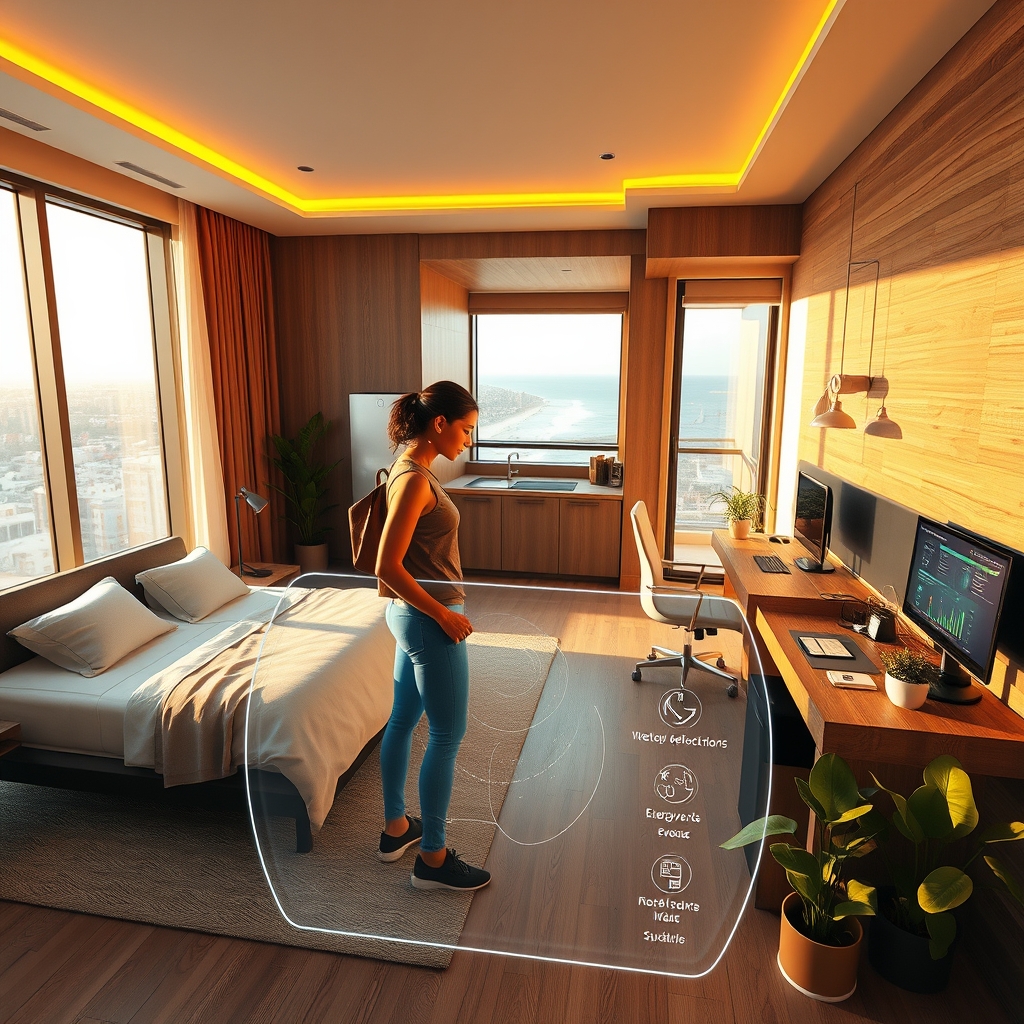
By 2026, booking a hotel isn’t just about price—it’s about precision. You’ll learn how to match stays with your daily habits, tech preferences, and real-time travel needs, so every reservation feels tailored, not just affordable. Whether you’re a remote worker needing fast Wi-Fi, a family prioritizing flexible check-ins, or a solo traveler seeking local immersion, the right hotel can adapt to you—if you know how to ask. This guide covers the tools, trends, and tactics to book smarter, not harder, with a focus on hyper-personalization, dynamic pricing, and sustainability.
Key Takeaways
- Use AI-driven platforms to filter hotels by lifestyle needs (e.g., coworking spaces, pet policies, or cultural proximity).
- Leverage real-time data to book stays that align with local events, weather, or demand shifts—saving up to 30% on last-minute adjustments.
- Prioritize hotels with transparent sustainability practices to reduce your travel footprint without sacrificing comfort.
- Tech integrations like digital concierges and smart room controls are now baseline expectations, not perks.
How Do You Find Hotels That Fit Your Daily Routine?
In 2026, travelers no longer adapt to hotels—hotels adapt to them. Start by auditing your habits: Do you need a 24/7 gym for early workouts? A kitchenette for dietary restrictions? Or quiet zones for focused work? Platforms like Booking.com’s AI-powered search now let you filter by granular preferences, from noise levels to natural lighting. For remote workers, properties with coworking partnerships (e.g., Marriott’s alliance with WeWork) offer seamless transitions between room and workspace.
Local immersion is another priority. Apps like Local Measure or Withlocals connect guests with neighborhood guides, turning a generic stay into a curated experience. If you’re traveling with pets, chains like Kimpton now offer in-room pet cameras and vet-on-call services—eliminating the guesswork of pet-friendly labels.
What Tech Should You Demand in 2026?
Smart rooms are no longer a novelty. By 2026, 78% of hotels will offer voice-controlled lighting, temperature, and entertainment, per a HospitalityNet report. But the real game-changer is predictive tech: Hotels like Hilton’s Connected Room adjust settings based on your past preferences, from pillow firmness to preferred coffee orders. For business travelers, integrated calendars sync with room service or spa bookings, saving hours of planning.
Contactless check-in is now standard, but the next frontier is biometric access. Facial recognition at hotels like FlyZoo Hotel (Alibaba’s tech-forward property) reduces wait times to seconds. Meanwhile, digital concierges like Edwardian Hotels’ AI butler handle requests via chat, from restaurant reservations to emergency toiletries—no human interaction required.
How Can You Save Money Without Sacrificing Quality?
Dynamic pricing is the norm, but savvy travelers use it to their advantage. Tools like Hopper’s Hotel Watch track price fluctuations and alert you when rates drop, often 2–3 weeks before check-in. For spontaneous trips, apps like HotelTonight offer last-minute deals (up to 50% off) by filling unsold inventory—but only if you’re flexible on location or brand.
Loyalty programs have evolved beyond points. In 2026, programs like Accor’s ALL or IHG One Rewards offer experiential perks, such as early access to local events or complimentary airport transfers. For budget-conscious travelers, boutique chains like Graduate Hotels bundle stays with university alumni discounts or local attraction passes, stretching your dollar further.
What Role Does Sustainability Play in 2026?
Eco-conscious travelers now expect transparency. Certifications like LEED or Green Key are table stakes, but forward-thinking hotels go further. For example, Six Senses properties track your carbon footprint in real time via an app, while 1 Hotels offset emissions by partnering with local reforestation projects. Even urban chains like InterContinental now offer waterless laundry and zero-waste room service.
To vet a hotel’s sustainability claims, look for third-party audits. The Global Sustainable Tourism Council (GSTC) sets rigorous standards, ensuring properties meet environmental and social benchmarks. Apps like EcoHotels aggregate certified stays, making it easier to book with confidence.
How Do You Handle Last-Minute Changes or Cancellations?
Flexibility is the new currency. In 2026, 63% of travelers change plans at least once per trip, per a Expedia Group study. To avoid fees, book with properties offering free cancellation up to 24 hours before check-in—common at chains like Hyatt or Radisson. For added security, consider travel insurance with “cancel for any reason” (CFAR) coverage, which reimburses up to 75% of costs.
Real-time rebooking tools are also essential. Platforms like TripIt Pro monitor flight delays and automatically suggest alternative hotels if your plans shift. For group travel, apps like Splitwise simplify cost-splitting, while Dufl handles luggage storage and shipping—ideal for digital nomads hopping between cities.
Your next hotel stay should work for you, not the other way around. Start by listing your non-negotiables—whether it’s a specific amenity, tech feature, or sustainability practice—then use the tools above to filter options. Test one new tactic per trip, like booking a last-minute deal or trying a biometric check-in, and refine your approach over time. By 2026, the best stays won’t just meet your needs; they’ll anticipate them.