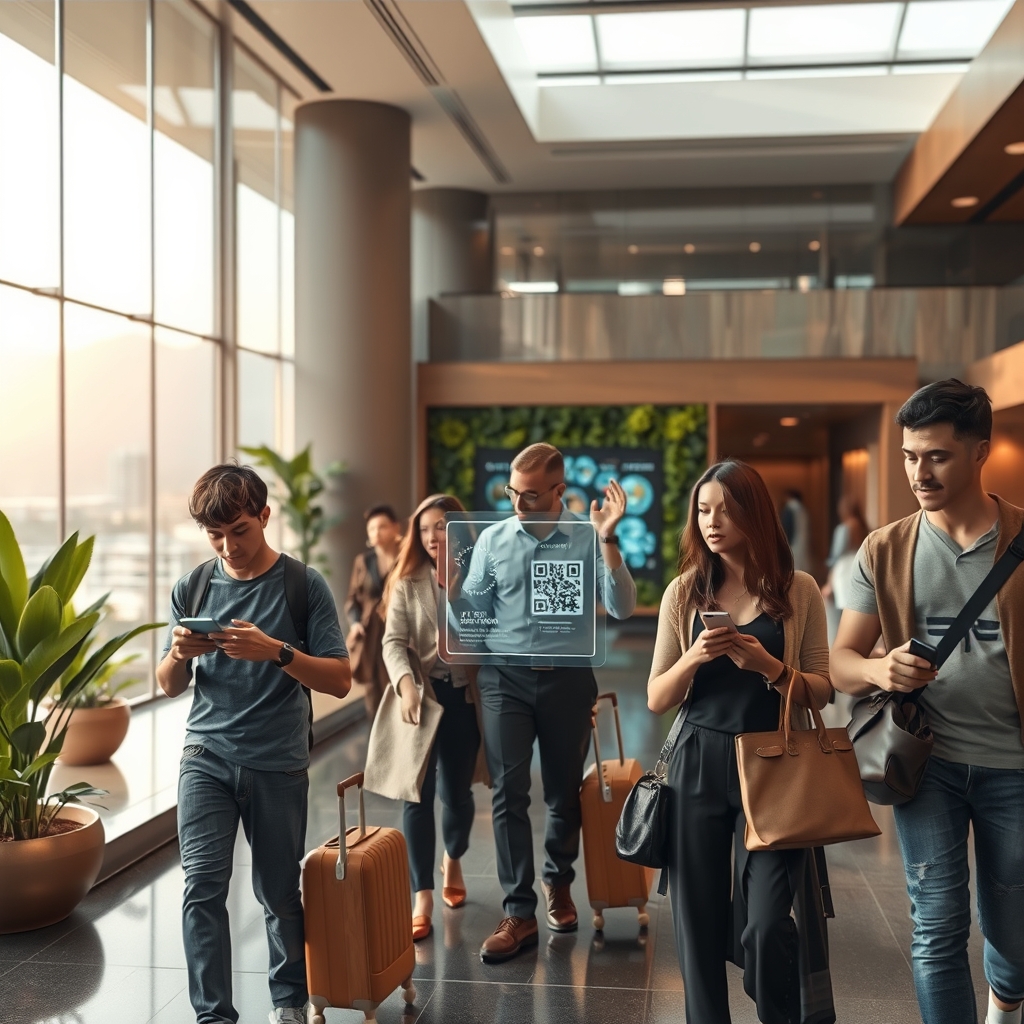
2026 Travel & Hotels: How to Book Stays That Balance Tech, Sustainability, and Real-Time Value Without the Hassle
Planning a trip in 2026 means navigating a landscape where technology, sustainability, and real-time value shape every booking decision. By the end of this guide, you’ll know how to secure hotels that align with your priorities—whether it’s seamless tech integration, eco-friendly practices, or cost efficiency—without sacrificing comfort or convenience. The key lies in leveraging emerging tools, data-driven insights, and local authenticity to make every stay feel tailored to your needs.
- AI-driven platforms and dynamic pricing models will dominate hotel bookings in 2026, offering real-time adjustments based on demand and traveler behavior.
- Sustainability certifications and carbon footprint transparency will influence 60% of booking decisions, per recent industry reports.
- Local immersion—like neighborhood guides and community partnerships—will differentiate hotels from generic stays.
- Tech conveniences (e.g., contactless check-in, AI concierges) will become standard, but travelers will prioritize properties that balance automation with human touch.
How Can You Use AI to Book Hotels That Adapt to Your Needs in Real Time?
By 2026, AI won’t just recommend hotels—it will anticipate your needs before you articulate them. Platforms like McKinsey’s travel AI insights highlight how machine learning models analyze past bookings, search patterns, and even social media activity to suggest stays that match your preferences. For example, if you frequently book boutique hotels with rooftop bars, AI will prioritize similar options in your search results.
Dynamic pricing will also evolve. Instead of static rates, hotels will adjust prices in real time based on occupancy, local events, and even weather forecasts. Tools like Hopper’s predictive algorithms (already in use today) will become mainstream, allowing travelers to lock in rates when prices are low or receive alerts when a better deal emerges. The trick? Book during off-peak hours—data shows prices dip between 10 PM and 6 AM in most markets.
What AI Tools Should You Prioritize?
Look for platforms with these features:
- Predictive search: AI that refines results as you type, reducing the need for endless filters.
- Contextual recommendations: Suggestions based on your travel history, not just generic popularity.
- Real-time price tracking: Alerts for price drops or surges, with options to book instantly.
Why Will Sustainability Be a Non-Negotiable Factor in 2026 Hotel Bookings?
Eco-conscious travel isn’t a trend—it’s a baseline expectation. A 2025 report from the Global Sustainable Tourism Council (GSTC) found that 62% of travelers would pay up to 15% more for hotels with verified sustainability certifications. In 2026, properties will compete not just on amenities but on transparency: carbon footprint calculators, water conservation stats, and partnerships with local environmental initiatives.
Booking platforms will highlight these credentials. For instance, Google’s “Eco-Certified” badge (already live in some regions) will expand globally, making it easier to filter for LEED-certified or solar-powered hotels. Pro tip: Use the Booking.com Sustainability Badge or Expedia’s Green Hotels filter to compare properties side by side.
How to Spot Greenwashing vs. Genuine Sustainability
Not all “eco-friendly” claims are equal. Verify these markers:
- Third-party certifications: Look for GSTC, EarthCheck, or Green Key labels.
- Local impact: Hotels that source food locally or support community projects (e.g., coral reef restoration).
- Energy transparency: Properties that disclose water/energy usage per guest night.
How Can You Balance Tech Convenience With Authentic Local Experiences?
In 2026, travelers will crave both seamless tech and meaningful local connections. Hotels will respond by integrating AI concierges (e.g., chatbots for instant requests) while curating hyper-local experiences. For example, a Tokyo hotel might offer a digital guide to hidden izakayas, while a Lisbon property partners with neighborhood artists for exclusive workshops.
Tech will handle the logistics—contactless check-in, keyless entry, and voice-activated room controls—freeing you to focus on exploration. But the best stays will go further: think “neighborhood concierges” who arrange meetups with local chefs or artists, or apps that translate real-time conversations with shopkeepers.
Where to Find Hotels That Blend Tech and Local Immersion
Prioritize these features:
- Community partnerships: Hotels that collaborate with local guides, farmers, or artisans.
- Augmented reality (AR) guides: Apps that overlay historical context onto landmarks as you explore.
- Flexible loyalty programs: Points redeemable for local tours or dining, not just room upgrades.
What’s the Smartest Way to Lock in Value Without Overpaying?
Value in 2026 isn’t just about price—it’s about aligning costs with your priorities. For budget-conscious travelers, dynamic pricing tools will be essential. For luxury seekers, focus on properties that bundle experiences (e.g., a cooking class with a Michelin-starred chef) into the rate. A 2025 study by Skift Research found that travelers who booked “experience-inclusive” packages saved 22% compared to à la carte pricing.
Another strategy: Book directly through hotel websites. Many chains now offer “best rate guarantees” plus perks like free breakfast or late checkout—benefits third-party sites can’t match. Use aggregators to compare, then switch to the hotel’s site for the final booking.
As you plan your 2026 travels, remember that the best stays aren’t just about where you sleep—they’re about how seamlessly the experience fits into your journey. Start by auditing your priorities: Do you value tech convenience, sustainability, or local immersion? Then, use the tools and strategies above to book a hotel that feels like it was designed just for you. The future of travel isn’t one-size-fits-all—it’s hyper-personalized, and the power to shape it is in your hands.
