2026 Travel Trends: How Hotels Are Redefining Comfort, Tech, and Sustainability for Modern Explorers
Planning a trip in 2026 means navigating a hospitality landscape transformed by technology, sustainability, and hyper-personalization. Whether you’re booking a weekend getaway or a month-long workation, you’ll want to know how hotels are adapting to meet new traveler expectations—from AI-powered concierges to zero-waste stays. This guide breaks down the key shifts in travel and hotels for 2026, helping you choose accommodations that align with your priorities: comfort, efficiency, and responsible tourism. By the end, you’ll understand how to leverage these trends to book smarter, travel lighter, and stay in spaces that feel like home, even when you’re miles away.
Key Takeaways
- Tech-driven personalization: Hotels are using AI and IoT to tailor room settings, from lighting to temperature, before you even check in.
- Sustainability as standard: Expect carbon-neutral certifications, on-site waste reduction, and partnerships with local conservation efforts.
- Flexible stays: Work-friendly spaces, extended-stay discounts, and modular room designs cater to digital nomads and remote workers.
- Health and wellness integrations: Sleep optimization programs, air purification systems, and in-room fitness tech are becoming baseline offerings.
How Are Hotels Using AI to Enhance Guest Experiences in 2026?
Artificial intelligence is no longer a novelty—it’s a cornerstone of modern hospitality. In 2026, hotels are deploying AI to streamline every touchpoint of your stay, from pre-arrival to post-departure. Chatbots handle 80% of routine inquiries, freeing staff to focus on personalized service, while predictive analytics anticipate your needs based on past stays. For example, if you typically request extra pillows or a late checkout, the system proactively prepares your room before you ask.
Voice-activated assistants in rooms now control everything from room service orders to local attraction recommendations. These systems learn your preferences over time, adjusting suggestions for dining, activities, or even spa treatments. Hotels like Marriott and Hilton have integrated AI-driven concierges that sync with your calendar, ensuring your stay aligns with your schedule—whether you’re traveling for business or leisure.
What Does IoT Bring to Hotel Rooms?
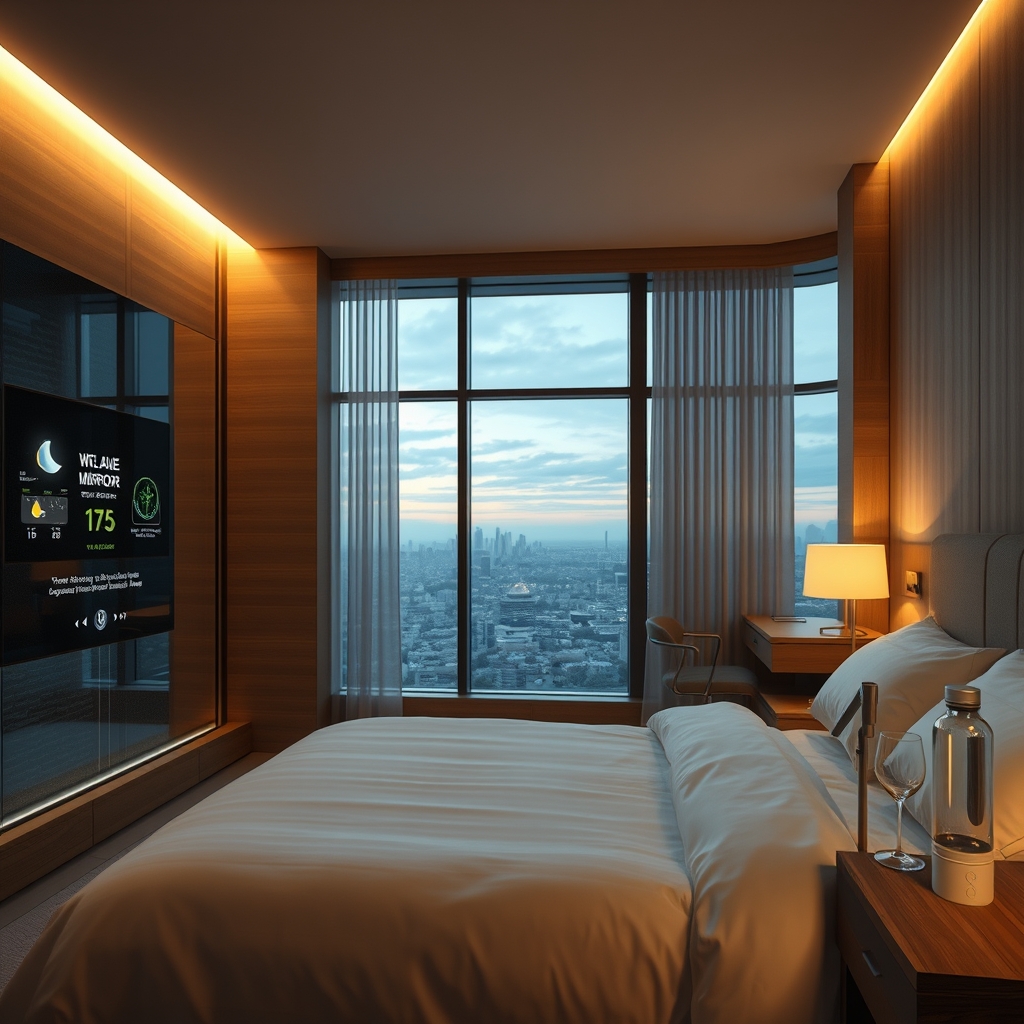
The Internet of Things (IoT) has turned hotel rooms into smart ecosystems. Motion sensors adjust lighting and temperature as you move through the space, while smart mirrors display weather updates, news, or your daily itinerary. Some properties even offer wearable devices that unlock your room, track your fitness goals, or notify housekeeping when you’re out, minimizing disruptions.
For travelers with accessibility needs, IoT-enabled rooms provide voice-controlled adjustments for lighting, blinds, and entertainment systems. These features aren’t just convenient—they’re becoming a deciding factor for bookings, with 63% of travelers prioritizing tech-enabled stays, according to a 2025 Statista report on global hospitality trends.
Why Is Sustainability No Longer Optional for Hotels in 2026?
Eco-conscious travel is no longer a niche preference—it’s a mainstream demand. Hotels are responding by adopting circular economy principles, where waste is minimized, and resources are reused or recycled. In 2026, properties are achieving carbon-neutral certifications through renewable energy sources, water conservation systems, and partnerships with local sustainability initiatives. For instance, some hotels now offer guests the option to offset their carbon footprint directly through the booking process.
How Are Hotels Reducing Waste Without Compromising Comfort?
Single-use plastics have been phased out in favor of refillable dispensers for toiletries, while food waste is tackled through AI-driven inventory management. Some hotels compost organic waste on-site or donate surplus food to local charities. Energy efficiency is another focus: smart thermostats and occupancy sensors reduce electricity consumption by up to 30% in unoccupied rooms.
Guests are also encouraged to participate in sustainability efforts. Programs like “green keys” reward travelers who opt out of daily housekeeping or use public transportation during their stay. These initiatives not only reduce environmental impact but also foster a sense of community between hotels and their guests.
What Are the Best Hotel Features for Digital Nomads in 2026?
The rise of remote work has reshaped hotel design, with properties now offering dedicated workspaces, high-speed internet, and even co-working memberships. In 2026, hotels are blurring the lines between office and accommodation, providing ergonomic furniture, soundproofed rooms, and 24/7 access to business centers. Some properties have introduced “workation” packages that include discounted long-term stays, networking events, and wellness activities to combat burnout.
How Are Hotels Supporting Work-Life Balance?
To cater to the work-from-anywhere crowd, hotels are integrating wellness features like in-room yoga mats, meditation apps, and circadian lighting systems that mimic natural daylight. Sleep optimization programs—such as white noise machines and temperature-controlled beds—help travelers maintain their routines, even in unfamiliar environments. For those who need a break from screens, some hotels offer digital detox retreats with analog activities like journaling or guided hikes.
How Can You Leverage These Trends for Your Next Trip?
Start by identifying your priorities: Are you looking for tech-enhanced convenience, sustainability, or work-friendly amenities? Use booking platforms that filter hotels based on these criteria, such as those offering carbon-neutral stays or AI-powered personalization. Before finalizing your reservation, check for certifications like LEED or Green Key, which indicate a commitment to environmental and social responsibility.
If you’re traveling for work, look for properties with extended-stay discounts or co-working spaces. For leisure trips, prioritize hotels that offer local experiences, such as guided tours or cultural workshops, to deepen your connection to the destination. Finally, don’t hesitate to reach out to the hotel directly to inquire about their latest tech or sustainability initiatives—many properties are eager to showcase their innovations to potential guests.
As you plan your 2026 travels, remember that the best hotels aren’t just places to stay—they’re partners in your journey. By choosing accommodations that align with your values and needs, you’ll transform a simple trip into a seamless, enriching experience that leaves a positive impact on both you and the world around you.
