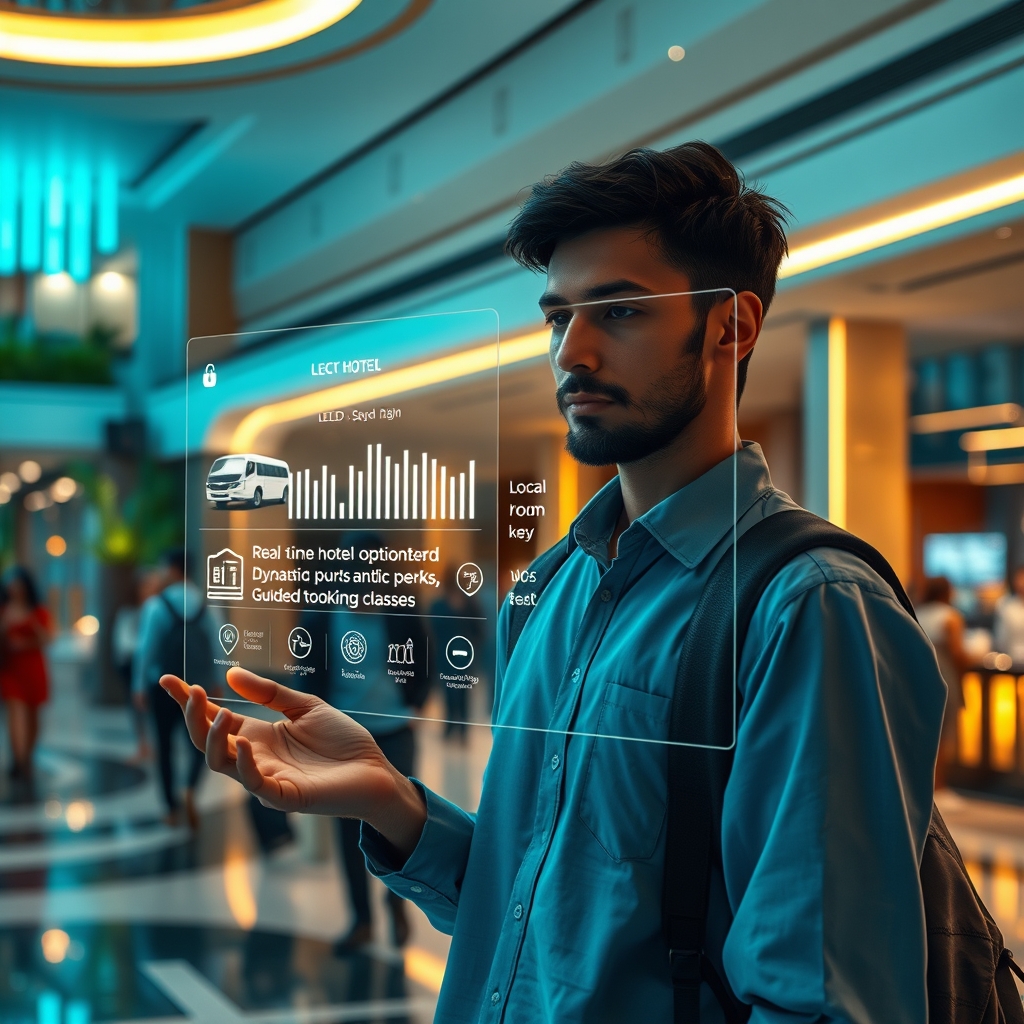
By 2026, booking a hotel won’t just be about finding a place to sleep—it’ll be about securing real-time value, hidden perks, and seamless local immersion tailored to your exact needs. Whether you’re a frequent traveler, a budget-conscious explorer, or someone who prioritizes sustainability, this guide will show you how to leverage AI-driven tools, dynamic pricing, and local insights to book stays that adapt to your lifestyle. You’ll learn how to spot hidden perks, avoid overpaying, and integrate effortlessly into your destination’s culture—all while saving time and reducing stress.
- AI and real-time data will help you book hotels that match your preferences before you even search.
- Dynamic pricing and loyalty perks can unlock hidden value, but only if you know how to navigate them.
- Local immersion isn’t just a buzzword—it’s a measurable way to enhance your travel experience in 2026.
- Sustainability and tech convenience will no longer be trade-offs; they’ll be standard expectations.
How Can AI and Real-Time Data Transform Your Hotel Bookings in 2026?
In 2026, AI won’t just recommend hotels—it’ll anticipate your needs before you articulate them. Tools like predictive booking engines analyze your past stays, travel patterns, and even social media activity to suggest properties that align with your preferences. For example, if you consistently book hotels with coworking spaces, AI will prioritize listings with high-speed Wi-Fi, ergonomic workstations, and quiet zones. This isn’t futuristic speculation; it’s already happening in beta form today, with platforms like McKinsey’s AI-driven travel insights projecting a 30% increase in personalized bookings by 2026.
Real-time data will also play a critical role. Imagine receiving a notification that your preferred hotel has just dropped its price by 20% due to a last-minute cancellation—or that a nearby boutique property is offering a free local experience (like a guided market tour) if you book within the next hour. These aren’t hypotheticals; they’re the result of dynamic pricing models and demand-sensing algorithms that adjust offers in real time. To capitalize on this, enable push notifications from booking platforms and set up price alerts for your target destinations.
What Should You Look for in AI-Driven Booking Tools?
Not all AI tools are created equal. The most effective ones in 2026 will offer:
- Context-aware recommendations: Suggestions based on your current trip’s purpose (e.g., business vs. leisure) and past behavior.
- Transparent pricing breakdowns: Clear visibility into what you’re paying for, including hidden fees like resort charges or local taxes.
- Integration with local services: Partnerships with ride-hailing apps, tour operators, or coworking spaces to bundle perks seamlessly.
For instance, if you’re traveling for work, an AI tool might prioritize hotels near your meeting locations with late check-out options, while a leisure trip could highlight properties with family-friendly amenities or proximity to cultural landmarks.
How Do You Unlock Hidden Perks Without Overpaying?
Hidden perks in 2026 won’t be about gimmicks—they’ll be about tangible value that enhances your stay. Think free airport transfers, complimentary spa credits, or exclusive access to local events. The key to unlocking these perks lies in understanding two concepts: dynamic loyalty programs and bundled offers.
Dynamic loyalty programs reward you based on your behavior, not just your spending. For example, if you frequently book eco-friendly hotels, a program might offer you a free sustainability audit of your stay or a donation to a local conservation project in your name. Bundled offers, on the other hand, combine hotel stays with experiences like cooking classes, guided hikes, or even language lessons. These bundles often cost less than booking each component separately and provide deeper local immersion.
How Can You Spot Overpriced Perks?
Not all perks are worth the extra cost. To avoid overpaying, ask yourself:
- Is this perk relevant to my trip? A free cocktail hour might sound appealing, but if you don’t drink, it’s not adding value.
- Can I get this perk elsewhere for less? For example, a hotel offering a “free” city tour might charge a premium for the room, while the same tour could be booked independently for half the price.
- Does the perk align with my priorities? If sustainability is a priority, a hotel offering a free bike rental (reducing your carbon footprint) might be more valuable than a spa credit.
Why Local Immersion Will Be the Ultimate Hotel Perk in 2026
Local immersion isn’t just about staying in a trendy neighborhood—it’s about integrating into the fabric of your destination in a way that feels authentic and effortless. In 2026, hotels will increasingly act as gateways to local culture, offering curated experiences that go beyond the typical tourist traps. For example, a hotel in Lisbon might partner with a local chef to offer a private cooking class featuring traditional Portuguese dishes, or a property in Tokyo could arrange a tea ceremony with a local artisan.
These experiences aren’t just for luxury travelers. Budget-friendly hotels and hostels are also jumping on the trend, offering free walking tours, language exchange meetups, or even volunteer opportunities with local nonprofits. The goal is to create a stay that feels personalized and meaningful, rather than generic and transactional.
How Can You Evaluate a Hotel’s Local Immersion Offerings?
To determine whether a hotel’s local immersion perks are worth it, consider the following:
- Authenticity: Are the experiences led by locals, or are they generic tours repackaged for tourists?
- Flexibility: Can you customize the experience to fit your schedule and interests, or is it a one-size-fits-all offering?
- Value: Does the experience provide unique access or insights that you couldn’t easily arrange on your own?
For example, a hotel in Barcelona offering a “flamenco show” might not be as valuable as one that arranges a private lesson with a local dancer, where you can learn the history and technique behind the art form.
How Will Sustainability and Tech Convenience Shape Hotel Bookings in 2026?
By 2026, sustainability and tech convenience won’t be optional—they’ll be baseline expectations for travelers. Hotels that fail to meet these standards will struggle to attract guests, while those that excel will command premium pricing. Sustainability isn’t just about eco-friendly certifications; it’s about measurable impact. Look for hotels that provide transparent reporting on their carbon footprint, water usage, and waste reduction efforts. Some properties will even offer guests the option to offset their stay’s environmental impact directly through the booking platform.
Tech convenience, on the other hand, will focus on frictionless experiences. Think mobile check-in, digital room keys, and AI-powered concierge services that can handle everything from restaurant reservations to last-minute itinerary changes. These features aren’t just about convenience—they’re about giving you more control over your stay and reducing the time spent on logistical hassles.
What Should You Prioritize: Sustainability or Tech?
The answer depends on your values and travel style. If sustainability is a priority, look for hotels with third-party certifications like LEED or Green Key, and ask about their specific initiatives (e.g., solar power, water conservation, or zero-waste policies). If tech convenience is more important, prioritize properties with robust mobile apps, smart room features (like voice-controlled lighting or temperature), and 24/7 digital support.
Fortunately, many hotels in 2026 will offer both. For example, a property might use AI to optimize energy usage in your room (reducing waste) while also offering a seamless mobile check-in process. The key is to identify which features matter most to you and book accordingly.
As you plan your next trip, remember that the best hotel bookings in 2026 won’t be about luck—they’ll be about strategy. Start by defining your priorities (e.g., local immersion, sustainability, tech convenience), then use AI-driven tools and real-time data to find properties that align with them. Set up price alerts, explore bundled offers, and don’t be afraid to negotiate for perks that matter to you. The future of travel isn’t just about where you go—it’s about how seamlessly your stay integrates into your journey, from the moment you book to the second you check out.