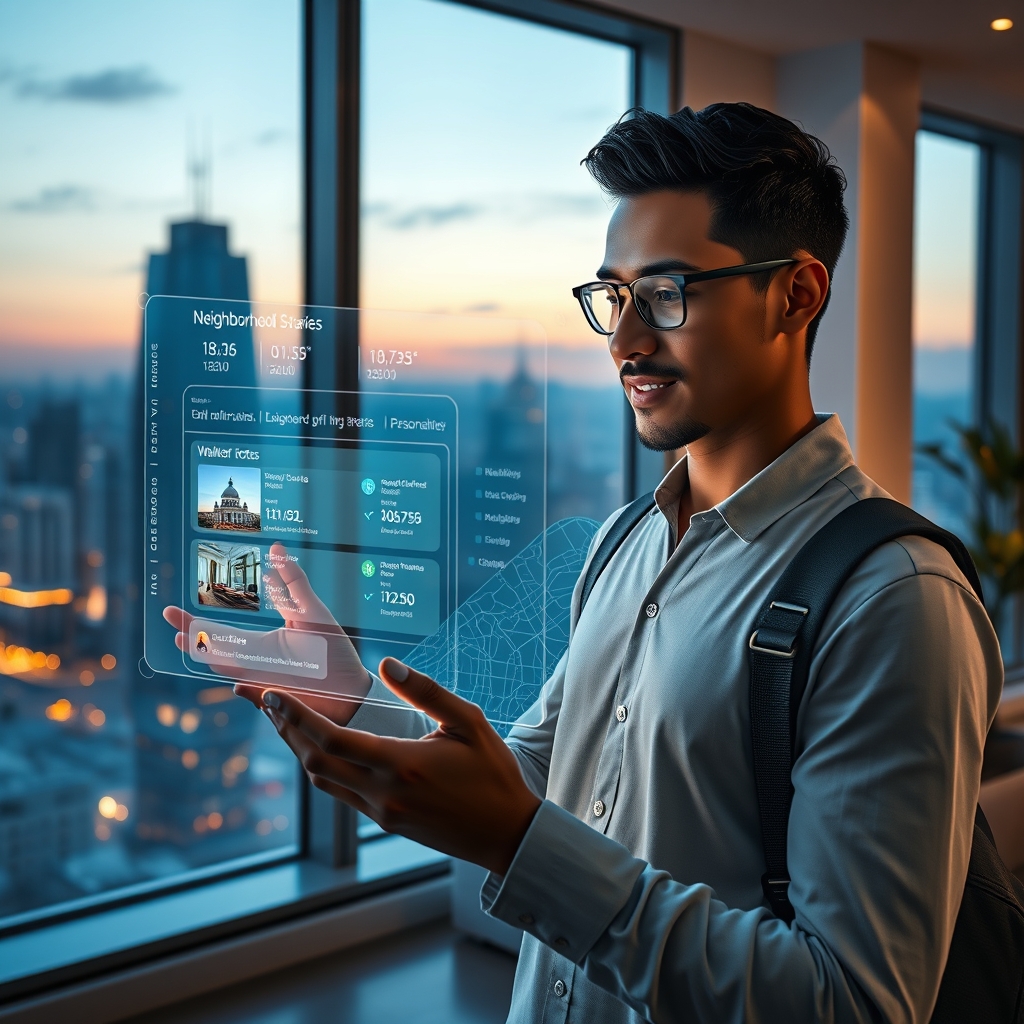
By 2026, booking a hotel won’t just be about price or location—it’ll be about how well the stay adapts to your real-time needs, local context, and personal preferences. You’ll learn how to leverage AI-driven tools, dynamic local insights, and hyper-personalized data to secure accommodations that align with your itinerary, budget, and even your mood before you arrive. Whether you’re a frequent traveler or planning a once-in-a-year getaway, these strategies will help you avoid generic stays and unlock hidden value in every booking.
- AI-powered platforms in 2026 will predict your hotel preferences based on past behavior, real-time demand, and local events—eliminating guesswork.
- Dynamic pricing and last-minute local insights (like neighborhood safety or transit updates) will let you book smarter, not just cheaper.
- Hotels will offer hyper-personalized perks (e.g., room temperature presets, curated local experiences) based on your profile and trip purpose.
- Sustainability and tech integration (e.g., keyless entry, AI concierge) will be standard, not premium add-ons.
How Can AI Predict the Best Hotel for Your Trip Before You Search?
In 2026, AI won’t just recommend hotels—it’ll anticipate your needs based on a mix of historical data, real-time signals, and contextual cues. For example, if you’ve previously booked boutique hotels in artsy neighborhoods, AI tools will prioritize similar stays when you search for a city known for its galleries. These platforms analyze:
- Behavioral patterns: Past bookings, cancellation rates, and even how long you linger on certain amenities (e.g., rooftop bars, coworking spaces).
- Real-time demand: Local events (concerts, conferences), weather disruptions, or transit strikes that could affect availability or pricing.
- Trip purpose: Business travelers might see options near convention centers with fast Wi-Fi, while leisure travelers get recommendations for family-friendly or pet-friendly stays.
Tools like Google’s Travel Insights already use machine learning to forecast demand, and by 2026, these predictions will be even more granular. For instance, if a major festival is announced in Barcelona a month before your trip, AI might suggest booking early—or waiting for last-minute deals if hotels are overestimating demand.
What Data Points Should You Prioritize When Comparing Hotels?
Not all hotel data is created equal. In 2026, focus on these real-time and contextual metrics to avoid surprises:
- Neighborhood safety scores: Platforms like Airbnb and Booking.com now integrate local crime data and user-reported incidents to rate areas. By 2026, these scores will update hourly based on police reports and crowd-sourced alerts.
- Transit and walkability: Apps like Citymapper will sync with hotel booking tools to show real-time walk times to attractions, public transit delays, or bike-share availability.
- Sustainability certifications: Look for third-party verified badges (e.g., LEED, Green Key) that confirm a hotel’s energy use, waste reduction, or carbon footprint. A 2023 Journal of Sustainable Tourism study found that 68% of travelers are willing to pay more for eco-certified stays, a trend that will only grow.
- Dynamic perks: Some hotels will offer “surprise upgrades” or late check-outs based on occupancy rates, which AI can flag as high-value for your dates.
How Do Local Insights Turn a Good Stay Into a Great One?
Generic hotel reviews won’t cut it in 2026. Instead, you’ll rely on hyper-local insights to tailor your stay to the city’s rhythm. For example:
- Neighborhood vibes: Is the area quiet on weekdays but lively on weekends? Tools like Zillow’s “Neighborhood Pulse” (expanded to global cities by 2026) will show noise levels, foot traffic, and even local business hours.
- Hidden gems: AI concierges (e.g., Marriott’s “ChatBotlr” or Hilton’s “Connie”) will suggest off-the-radar spots based on your interests—like a speakeasy cocktail bar or a 24-hour bookstore—rather than tourist traps.
- Cultural events: Platforms like Eventbrite or local tourism boards will sync with booking tools to highlight festivals, pop-up markets, or street performances happening during your stay.
Pro tip: Use apps like Peek or Withlocals to book experiences directly through your hotel, often at a discount. Many hotels in 2026 will partner with local guides to offer exclusive access to workshops, tours, or dining reservations.
What Are the Risks of Over-Relying on AI for Hotel Bookings?
While AI streamlines decisions, it’s not foolproof. Common pitfalls include:
- Algorithmic bias: AI might over-index on past behavior, missing opportunities to explore new types of stays. For example, if you’ve only booked budget hotels, it may not suggest a splurge-worthy boutique option.
- Data lag: Real-time tools can’t predict sudden disruptions (e.g., a last-minute protest or power outage). Always cross-check with local news or forums like Reddit’s r/travel.
- Privacy trade-offs: Sharing more data (e.g., calendar syncs, location history) improves recommendations but may expose you to targeted ads or price discrimination. Use incognito mode or VPNs to compare rates.
How Can You Lock in Perks That Align With Your Trip’s Purpose?
Hotels in 2026 will move beyond one-size-fits-all perks to offer tailored benefits based on your trip type. Here’s how to capitalize:
- Business trips: Prioritize hotels with AI-powered meeting rooms (e.g., automated lighting, noise-canceling tech) or partnerships with coworking spaces like WeWork. Some chains will offer “focus floors” with soundproofed rooms and 24/7 tech support.
- Romantic getaways: Look for hotels that offer “experience credits” for couples—think private sunset cruises, in-room mixology classes, or spa discounts. AI might suggest these based on your booking history (e.g., past anniversary trips).
- Family vacations: Filter for hotels with “kids’ concierges” (e.g., Hyatt’s “Camp Hyatt” or Four Seasons’ “Kids For All Seasons” programs) or dynamic room configurations (e.g., adjoining rooms that can be booked as one suite).
- Solo travel: Safety and social perks matter most. Hotels like Selina or Freehand offer communal spaces, group activities, and solo-traveler meetups. AI can flag these based on your past solo trips or social media activity.
What’s the Best Way to Negotiate Last-Minute Upgrades or Discounts?
Even in 2026, human negotiation can outperform algorithms. Try these tactics:
- Loyalty leverage: If you’re a repeat guest, mention it at check-in. Hotels like Hilton and Marriott use AI to track loyalty points but often reserve upgrades for guests who ask.
- Occupancy-based asks: If the hotel isn’t full, request a room with a better view or late check-out. Front desk staff can see real-time occupancy data and may accommodate if it doesn’t cost them revenue.
- Bundle perks: Combine a longer stay with a non-refundable rate to unlock discounts. Some hotels will throw in free breakfast or parking if you book directly through their app.
By 2026, the best hotel bookings won’t just meet your needs—they’ll anticipate them. Start by syncing your travel apps with your calendar and preferences now, so AI tools can learn your patterns ahead of your next trip. Test one or two local insight features (like neighborhood safety scores or event syncing) on your next booking, and compare the results to a traditional search. Over time, you’ll build a system that filters out the noise and surfaces stays that feel custom-built for your journey—before you even pack your bags.