Beyond the Brochure: Hidden Gems in Travel and Hotels for the Modern Explorer
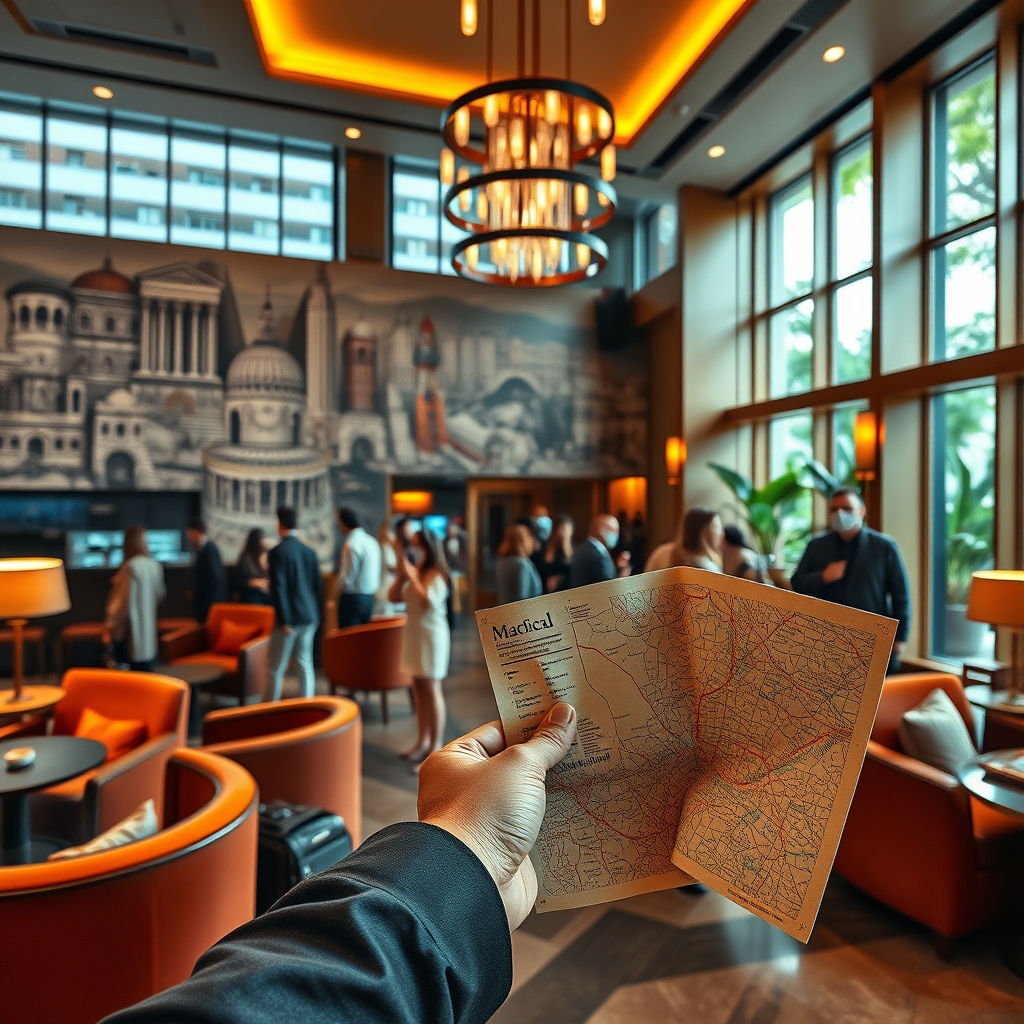
Imagine stepping into a hotel lobby where the air hums with stories untold—where the concierge doesn’t just hand you a key but a map to secrets only locals whisper about. Travel and hotels have evolved far beyond glossy brochures and cookie-cutter experiences. Today’s explorers crave authenticity, convenience, and those fleeting moments that turn a trip into a treasure. Whether you’re a seasoned globetrotter or planning your first escape, the right approach to travel and accommodations can transform your journey from ordinary to extraordinary.
Why the Right Hotel Elevates Your Travel Experience
Your choice of hotel isn’t just a place to rest—it’s the anchor of your adventure. A well-selected stay can immerse you in the culture, save you time, and even inspire your itinerary. Think of it as the difference between watching a sunset through a window and standing on a rooftop with the city’s pulse at your feet. The best hotels don’t just offer a bed; they offer a gateway to the destination’s soul.
For instance, boutique hotels in historic neighborhoods often double as cultural hubs, hosting local artists or offering guided walks through hidden alleys. On the other hand, modern urban retreats might prioritize seamless connectivity, with co-working spaces and tech-savvy amenities for digital nomads. The key is aligning your stay with your travel goals—whether that’s relaxation, exploration, or a blend of both.
How to Spot a Hotel That Aligns With Your Travel Style
Not all hotels are created equal, and neither are travelers. The first step is identifying what matters most to you. Are you seeking luxury, affordability, or something in between? Do you prioritize location, amenities, or unique experiences? Start by asking yourself a few questions:
- Will you spend most of your time exploring, or do you need a comfortable base to recharge?
- Are you traveling solo, with family, or for business?
- Do you prefer a quiet retreat or a lively social atmosphere?
Once you’ve narrowed down your priorities, dig deeper than star ratings. Read reviews from travelers with similar interests, and look for mentions of standout features like rooftop bars, cultural workshops, or eco-friendly initiatives. Websites and apps that specialize in niche stays—such as eco-lodges, design hotels, or heritage properties—can also uncover hidden gems that mainstream platforms might overlook.
Beyond the Room: Unlocking Unique Hotel Perks
The best hotels go beyond the basics to offer experiences that linger long after checkout. Many properties now curate exclusive perks that cater to modern travelers’ desires. For example, some luxury hotels partner with local chefs to offer private cooking classes, while others arrange behind-the-scenes tours of nearby landmarks. These extras can turn a simple stay into a highlight of your trip.
Another growing trend is hotels that double as community hubs. In cities like Lisbon or Tokyo, you’ll find properties that host pop-up markets, live music, or even language exchange nights. These events not only enrich your stay but also connect you with fellow travelers and locals. If you’re someone who values these interactions, seek out hotels with active social calendars or communal spaces designed for mingling.
Tech-Savvy Stays: How Hotels Are Embracing Innovation
Technology is reshaping the way we experience travel and hotels. From mobile check-ins to AI-powered concierges, the industry is embracing tools that streamline the guest experience. Imagine arriving at your hotel after a long flight, bypassing the front desk entirely, and heading straight to your room—where your smartphone unlocks the door. This isn’t the future; it’s happening now.
Some hotels are taking it a step further by integrating smart room features. Voice-activated assistants can adjust lighting, temperature, or even order room service, while virtual reality tours allow you to preview your room before booking. For travelers who value efficiency and personalization, these tech-driven amenities can make all the difference. However, if you prefer a more traditional, human touch, don’t worry—many hotels strike a balance by offering both high-tech and high-touch services.
Sustainable Travel: How to Choose Eco-Conscious Hotels
As awareness of environmental impact grows, so does the demand for sustainable travel options. Eco-conscious hotels are no longer a niche market; they’re a mainstream expectation. But what does sustainability really mean in the context of travel and hotels? It’s not just about recycling bins in the lobby—it’s about a commitment to reducing waste, conserving resources, and supporting local communities.
Look for hotels that have earned certifications like LEED, Green Key, or EarthCheck. These programs evaluate everything from energy efficiency to water conservation and waste management. Many eco-friendly hotels also prioritize locally sourced materials, organic linens, and farm-to-table dining options. Some even offer carbon offset programs, allowing you to neutralize the environmental impact of your stay.
Beyond the hotel itself, consider how your travel choices align with sustainability. Opt for public transportation, support local businesses, and choose destinations that prioritize eco-tourism. By making mindful decisions, you can minimize your footprint while still enjoying the richness of your journey.
Navigating the Booking Process Like a Pro
With so many options available, booking the perfect hotel can feel overwhelming. But a few strategic steps can simplify the process and ensure you get the best value for your money. Start by setting a budget and sticking to it—remember, the cheapest option isn’t always the best, and the most expensive isn’t always the most memorable.
Next, leverage comparison tools to evaluate prices across multiple platforms. Websites like Kayak, Trivago, or Google Hotels aggregate deals from various sources, making it easier to spot discounts. Don’t forget to check the hotel’s official website, too—many properties offer exclusive perks or lower rates for direct bookings.
Timing is another critical factor. Booking too early can mean missing out on last-minute deals, while waiting too long might leave you with limited options. For popular destinations, aim to book 3-6 months in advance. For off-peak travel, you can often snag better rates by booking closer to your departure date. And if you’re flexible with your dates, use tools that show price trends to identify the most cost-effective times to travel.
The Fine Print: What to Look for Before You Book
Before finalizing your reservation, take a few minutes to review the fine print. Check the cancellation policy—some hotels offer free cancellations up to 24 hours before check-in, while others impose strict penalties. If you’re traveling during peak season or to a high-demand destination, a flexible policy can save you from unexpected fees.
Also, pay attention to hidden costs. Resort fees, parking charges, and Wi-Fi fees can add up quickly, turning a seemingly affordable stay into a budget-buster. Look for hotels that include these amenities in the base price, or factor them into your overall budget. Finally, read the reviews—especially the recent ones—to get a sense of any recurring issues, like noisy rooms or slow service.
Travel and hotels are more than just logistics—they’re the foundation of memories that last a lifetime. By choosing accommodations that align with your values and travel style, you’re not just booking a room; you’re crafting an experience. Whether it’s the thrill of discovering a hidden gem, the comfort of a tech-savvy stay, or the satisfaction of supporting sustainable practices, the right choices can turn any trip into an adventure worth repeating. So pack your bags, keep an open mind, and let your next journey unfold beyond the brochure.
