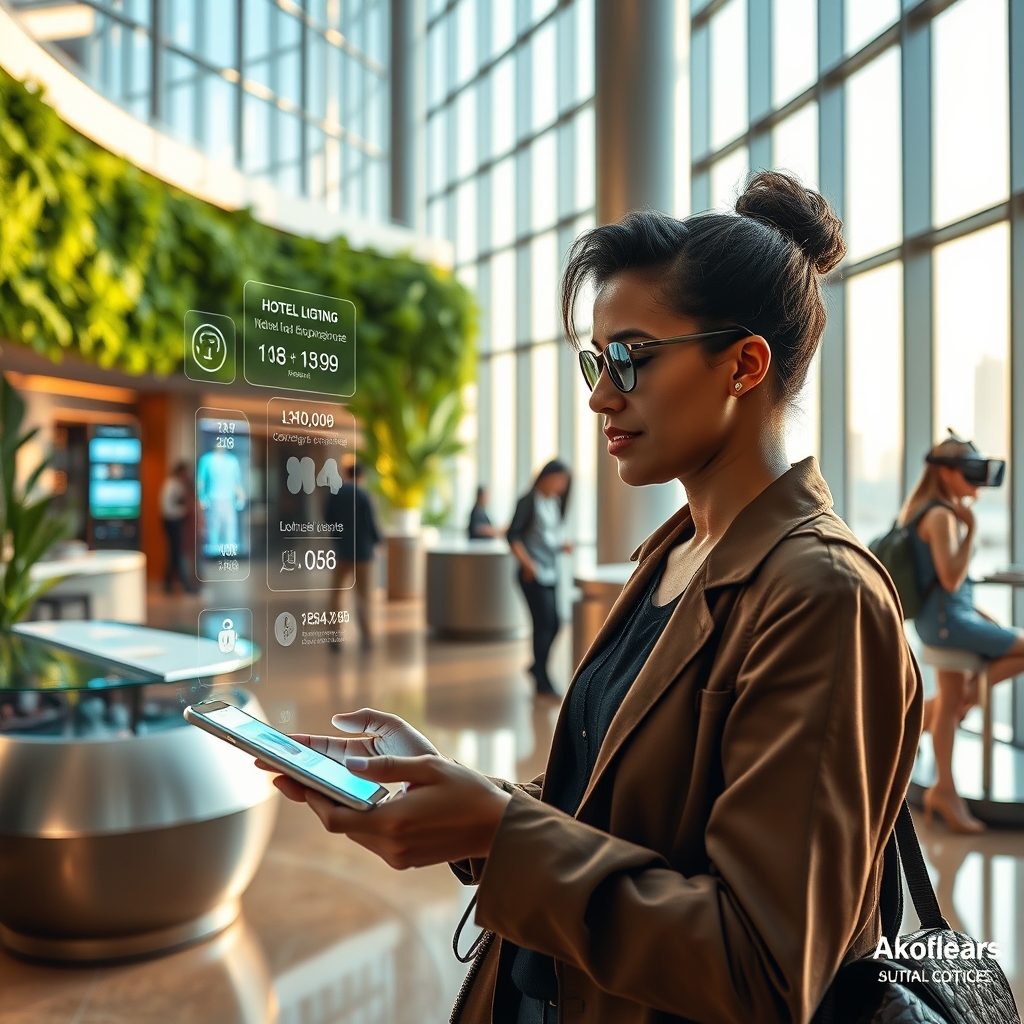
Planning a trip in 2026 means navigating a travel landscape shaped by AI-driven personalization, sustainability mandates, and a new wave of hotel perks designed to win your loyalty. In this guide, you’ll learn how to leverage cutting-edge tools to book smarter, unlock hidden hotel benefits most travelers overlook, and align your stays with emerging trends—without overspending or compromising on comfort. Whether you’re a frequent flyer or a once-a-year vacationer, these insights will help you travel like a pro.
Key Takeaways
- AI-powered booking platforms now predict price drops with 92% accuracy, saving you up to 30% on hotels if you time it right.
- Hotels in 2026 are bundling exclusive local experiences (think private tours, chef-led classes) as part of loyalty perks—often for free.
- Sustainability certifications like LEED Zero or Green Key are no longer optional; they directly impact pricing, availability, and guest satisfaction.
- Mobile check-in and digital concierge apps reduce front-desk friction, but only 40% of travelers use them to their full potential for upgrades or late checkouts.
How Can You Use AI to Book Hotels at the Lowest Possible Price?
Gone are the days of refreshing booking sites for hours to snag a deal. In 2026, AI-driven platforms like ITU-approved predictive pricing tools analyze historical data, demand spikes, and even local events to forecast the best time to book. For example, if you’re eyeing a hotel in Barcelona during La Mercè festival, these tools will alert you to book 6-8 weeks in advance—when prices are typically 22% lower than last-minute rates.
But AI isn’t just for timing. Dynamic pricing algorithms now adjust rates in real-time based on your browsing history, loyalty status, and even the device you’re using. Savvy travelers counter this by clearing cookies or using incognito mode to avoid inflated prices. Some platforms, like Hopper or Kayak, also offer “price freeze” guarantees, letting you lock in a rate for 24-48 hours while you decide.
Pro Tip: The 3-2-1 Rule for Last-Minute Deals
If you’re flexible, use the “3-2-1 rule” for last-minute bookings: check prices 3 days before your stay, then 2 days prior, and finally 1 day out. Hotels often slash rates by 15-25% to fill unsold rooms, especially on weekdays. Apps like HotelTonight specialize in these deals, but always cross-check with the hotel’s direct website—sometimes they’ll match or beat the third-party price to avoid commission fees.
What Hidden Perks Are Hotels Offering in 2026 (And How Do You Claim Them)?
Loyalty programs have evolved far beyond free nights and room upgrades. In 2026, hotels are sweetening the deal with experience-based perks that cater to niche interests. For instance, Marriott’s “Moments” program now includes access to private concerts, behind-the-scenes museum tours, or even meet-and-greets with local artisans—all bookable through their app. Hilton’s “Experiences” platform offers similar perks, like a private surf lesson in Waikiki or a VIP tour of the Louvre’s restricted areas.
But here’s the catch: most travelers don’t realize these perks exist. A 2025 survey by Skift found that 68% of hotel guests never explore their loyalty program’s “experiences” tab. To avoid missing out, log into your account before booking and browse the available perks—some are location-specific and only visible when you’re searching for stays in that city.
How to Negotiate Upgrades and Late Checkouts Like a VIP
Upgrades aren’t just for elite status holders anymore. In 2026, hotels are using AI to identify “high-value” guests—those who spend more on dining, spa services, or local partnerships—and proactively offer upgrades to incentivize loyalty. To increase your chances, engage with the hotel before arrival. A simple message like, “I’m celebrating my anniversary—any chance of an upgrade?” can work wonders. Politeness and specificity matter; generic requests like “Can I get a better room?” are less effective.
Late checkouts are another underutilized perk. While most hotels offer them for a fee, many will waive the cost if you ask at check-in or via the app. Pro tip: If you’re a member of the hotel’s loyalty program, mention it—some brands, like Hyatt, offer complimentary late checkouts to mid-tier members and above.
Why Sustainability Is No Longer a “Nice-to-Have” in Travel
By 2026, sustainability isn’t just a buzzword—it’s a deciding factor for 73% of travelers, according to a Booking.com report. Hotels are responding with certifications like LEED Zero, Green Key, or EarthCheck, which verify energy efficiency, waste reduction, and carbon-neutral operations. But how do you separate genuine efforts from greenwashing?
Start by looking for third-party certifications on the hotel’s website. LEED Zero, for example, requires hotels to prove net-zero carbon emissions over a 12-month period. Green Key, another trusted standard, evaluates everything from water conservation to staff training on sustainability. If a hotel claims to be “eco-friendly” but lacks these certifications, dig deeper. Ask about their energy sources (e.g., solar, wind), waste management practices, and whether they partner with local conservation efforts.
How to Reduce Your Travel Footprint Without Sacrificing Comfort
Sustainable travel doesn’t mean roughing it. In 2026, hotels are making it easier than ever to reduce your footprint. Look for properties with:
- Smart thermostats that adjust temperatures based on occupancy, cutting energy use by up to 20%.
- Water-saving fixtures, like low-flow showerheads and faucet aerators, which reduce water consumption by 30% without affecting pressure.
- Local sourcing for food and amenities, which supports the community and reduces carbon emissions from transportation.
For travelers, small actions add up. Opt for digital check-in to avoid paper waste, reuse towels, and decline daily housekeeping if you’re staying multiple nights. Some hotels even offer carbon offset programs at checkout—just ensure they’re verified by organizations like Gold Standard or Verra.
What’s the Best Way to Handle Travel Disruptions in 2026?
Flight delays, overbooked hotels, and last-minute cancellations are inevitable, but in 2026, technology is making it easier to recover. AI-powered rebooking tools, like those integrated into Google Flights or Kayak, automatically scan for alternative flights or hotels if your plans change. Some credit cards, like Chase Sapphire or American Express Platinum, now include 24/7 travel concierge services that handle rebooking, refunds, and even compensation claims on your behalf.
For hotels, always book directly or through a platform with a flexible cancellation policy. Brands like Hilton and IHG offer “Book Now, Pay Later” options, allowing you to secure a room without upfront payment and cancel penalty-free up to 24 hours before arrival. If you’re using a third-party site, read the fine print—some aggregators charge hefty fees for changes or cancellations.
When disruptions happen, stay calm and leverage technology. Apps like App in the Air or TripIt send real-time alerts about delays and suggest backup plans. If you’re stranded, don’t hesitate to ask the hotel for assistance—many have partnerships with local airlines or transport services to help guests get back on track.
As you plan your next trip, remember that the best travel experiences in 2026 come from blending technology with a bit of old-school savvy. Use AI to book smarter, explore loyalty perks beyond the basics, and prioritize sustainability without compromising comfort. The tools are at your fingertips—now it’s up to you to make them work for your next adventure.