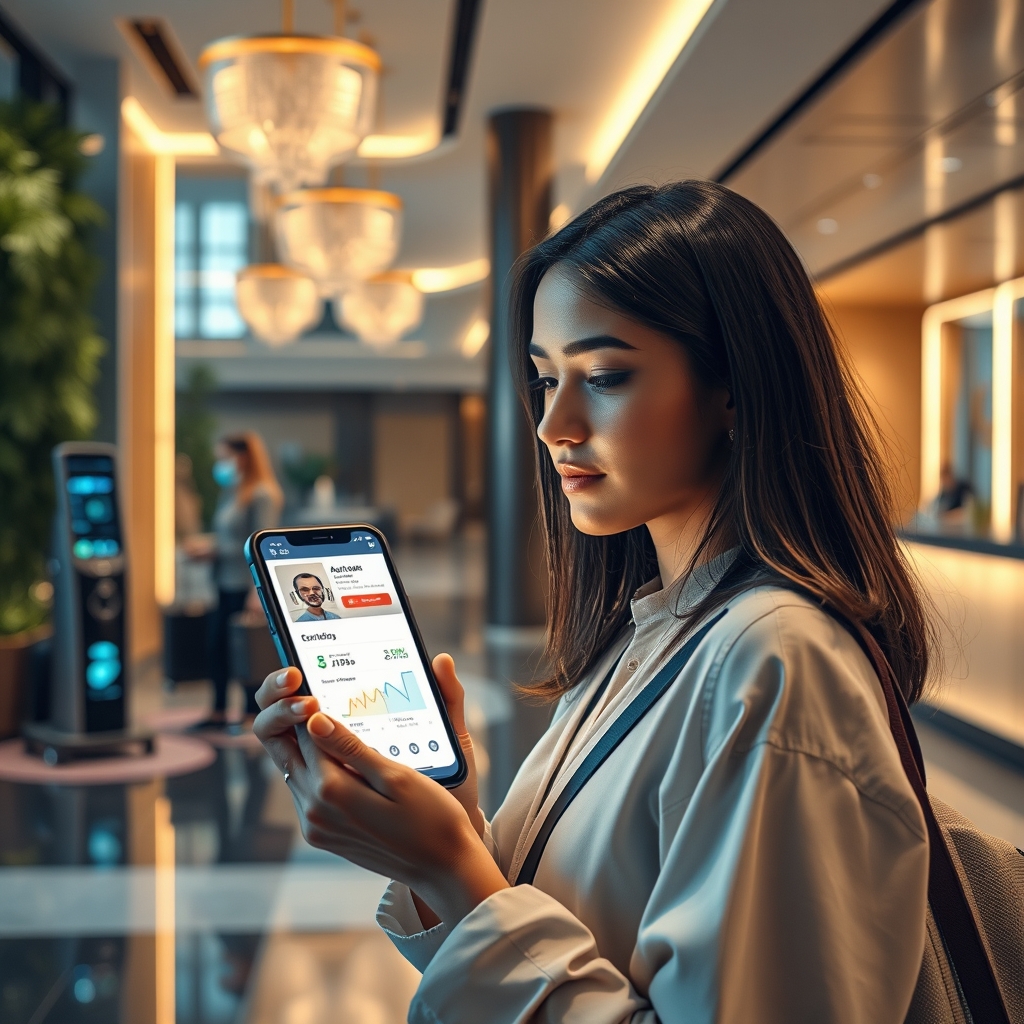
Planning a trip in 2026 means navigating a travel landscape transformed by technology, shifting guest expectations, and a renewed focus on value—without sacrificing comfort or convenience. Whether you’re a frequent flyer or an occasional traveler, this guide will show you how to book smarter, unlock hidden hotel perks, and leverage cutting-edge tools to enhance every stay. By the end, you’ll know how to secure the best rates, avoid common pitfalls, and make the most of emerging travel trends shaping the industry this year.
Key Takeaways
- Dynamic pricing is evolving: Hotels now adjust rates in real-time based on demand, local events, and even weather forecasts—book at the right moment to save up to 30%.
- Loyalty programs reward behavior, not just stays: Earn points faster by engaging with hotel apps, referring friends, or opting for sustainable choices during your stay.
- Hidden perks are everywhere: Many hotels offer complimentary upgrades, late check-outs, or exclusive experiences—if you know how to ask.
AI and automation are your allies: From chatbots handling last-minute requests to mobile check-in, tech is streamlining travel—learn how to use it to your advantage.
How Can You Outsmart Dynamic Pricing in 2026?
Gone are the days when hotel rates followed a predictable pattern. In 2026, dynamic pricing algorithms analyze everything from local festivals to airport traffic in real-time, adjusting rates by the hour. A study by STR Global found that hotels using advanced revenue management systems see a 5-15% increase in profitability, often at the expense of travelers who book without strategy.
To beat the system, start by monitoring rates 6-8 weeks in advance using tools like Google Hotel Search or Hopper. These platforms track historical data and predict price fluctuations, alerting you when rates dip. For example, if you’re traveling to New York City during Fashion Week, booking 10-12 weeks ahead could save you hundreds compared to last-minute reservations. Additionally, consider flexible dates: shifting your stay by a day or two can sometimes cut costs by 20-30%.
Another pro tip: book directly through the hotel’s website. Many chains, including Marriott and Hilton, offer price-match guarantees and exclusive member discounts. If you find a lower rate on a third-party site, they’ll often match it—and throw in bonus points or a room upgrade.
What Are the Best-Kept Secrets of Hotel Loyalty Programs?
Loyalty programs have undergone a major overhaul in 2026, shifting from transactional rewards to experiential benefits. The key to maximizing these programs lies in understanding how to earn—and redeem—points beyond traditional stays. For instance, IHG’s Rewards Club now offers points for dining at partner restaurants, even if you’re not staying at their hotels. Similarly, Accor’s ALL program lets you earn points by booking experiences like cooking classes or local tours through their platform.
But the real game-changer? Status challenges. Many hotel chains offer accelerated status upgrades if you complete a set number of stays within a short period. For example, Hyatt’s World of Hyatt program occasionally runs promotions where two stays can earn you Discoverist status, unlocking perks like late check-out and room upgrades. Keep an eye on these promotions by subscribing to hotel newsletters or following travel deal forums like FlyerTalk.
Don’t overlook co-branded credit cards, either. Cards like the Chase Sapphire Reserve or American Express Platinum offer travel credits, lounge access, and bonus points that can be transferred to hotel loyalty programs. In 2026, these cards are more valuable than ever, with some offering statement credits for travel-related purchases like ride-sharing or dining.
How Is Technology Reshaping Your Hotel Experience?
From AI-powered concierges to mobile room keys, technology is redefining what it means to stay at a hotel in 2026. One of the most noticeable changes is the rise of contactless check-in. Chains like Hilton and Marriott now allow guests to bypass the front desk entirely, using their smartphones to select rooms, unlock doors, and even control in-room amenities like lighting and temperature. This not only saves time but also reduces physical touchpoints, a priority for many travelers post-pandemic.
AI is also playing a bigger role in personalizing your stay. Hotels like the Cosmopolitan in Las Vegas use AI-driven chatbots to handle requests, from extra towels to dinner reservations. These systems learn from guest interactions, improving over time to anticipate needs. For example, if you frequently order room service at 9 PM, the AI might proactively suggest your favorite dish or offer a discount on your next stay.
Voice-activated assistants are another emerging trend. Properties like the Wynn Las Vegas and Four Seasons have integrated Amazon Alexa or Google Assistant into rooms, allowing guests to control everything from the thermostat to the TV with simple voice commands. While these features are still rolling out, they’re becoming a standard in luxury and business-oriented hotels.
Real-World Example: How One Traveler Saved $500 on a Week-Long Stay
Take the case of Sarah, a marketing manager who traveled to Tokyo for a conference in early 2026. By leveraging dynamic pricing tools, she monitored rates for six weeks before booking. When she noticed a dip in prices due to a lull in business travel, she secured a room at the Park Hotel Tokyo for $220 per night—$80 less than the average rate during her stay. She also used her Marriott Bonvoy Brilliant credit card to earn 6x points on the booking, which she later redeemed for a free night in Singapore.
Sarah’s experience highlights how combining technology, loyalty programs, and strategic timing can lead to significant savings. Her story isn’t unique—travelers who adopt these tactics consistently report saving hundreds, if not thousands, of dollars annually.
What Hidden Perks Are Hotels Offering in 2026?
Hotels are increasingly competing for guests by offering exclusive perks that go beyond free Wi-Fi or breakfast. In 2026, these hidden benefits are often tied to sustainability, wellness, or local culture. For example, many hotels now provide complimentary access to meditation apps like Headspace or Calm, or partner with local gyms to offer free classes. Some properties, like the 1 Hotel South Beach, even provide guests with reusable water bottles and discounts at nearby zero-waste stores.
Another trend is the rise of local immersion perks. Hotels are partnering with nearby businesses to offer guests unique experiences, such as cooking classes with local chefs, guided tours of hidden neighborhoods, or even volunteer opportunities. For instance, the Andaz Maui offers guests a complimentary snorkeling tour with a marine biologist, while the Hoxton Amsterdam provides free bike rentals to explore the city like a local.
Don’t forget to ask about upgrades. Many hotels reserve premium rooms for guests who book directly or have loyalty status. A simple request at check-in—phrased politely—can sometimes secure a room with a better view, a larger space, or access to an executive lounge. Pro tip: Mention if you’re celebrating a special occasion, like a birthday or anniversary. Hotels often go the extra mile for guests marking milestones.
As you plan your next trip, remember that the best travel experiences in 2026 aren’t just about where you go—they’re about how you book, what you prioritize, and how you leverage the tools at your disposal. Start by setting up price alerts for your destination, exploring loyalty program perks, and familiarizing yourself with the tech features available at your hotel. With a little strategy, you can turn every stay into a seamless, rewarding experience—without breaking the bank.