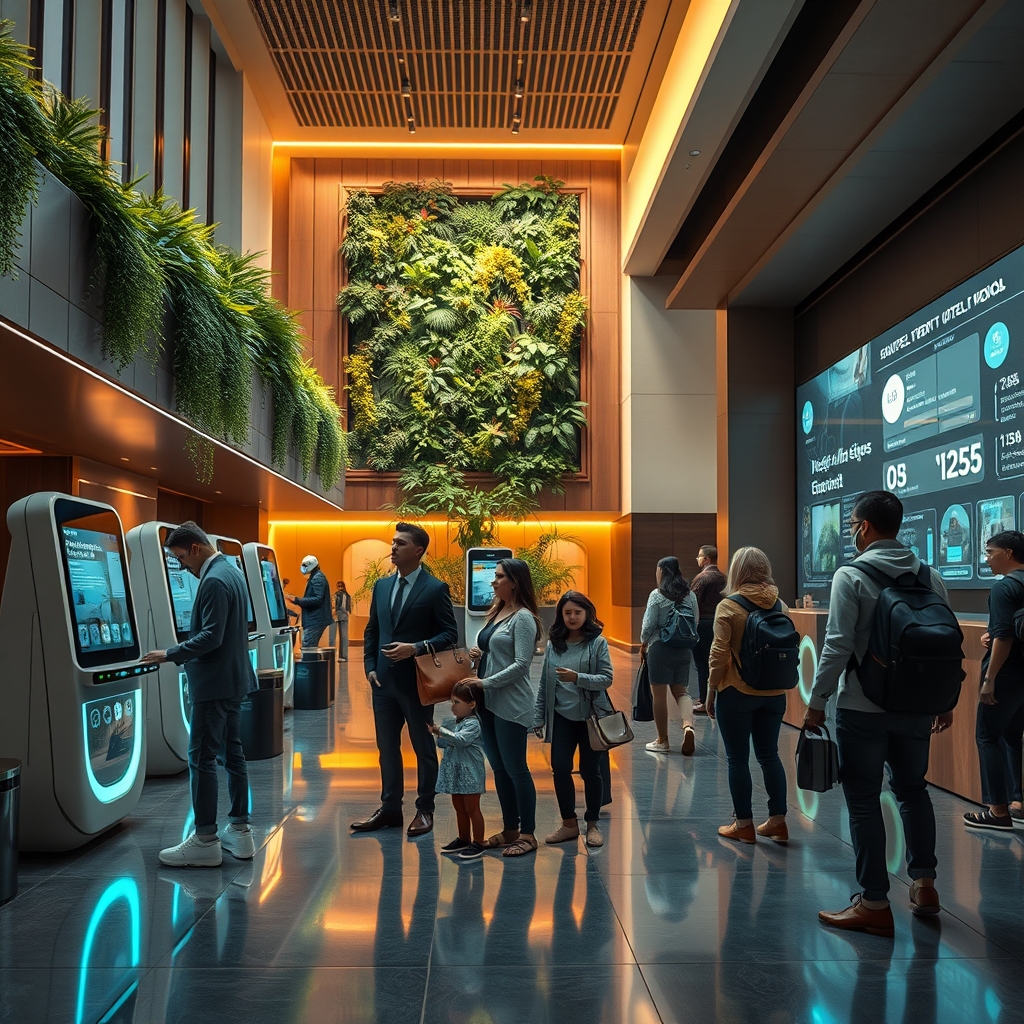
2026 Travel & Hotels: How to Book Stays That Adapt to Your Needs—Before, During, and After Your Trip
Planning a trip in 2026 isn’t just about picking a destination and booking a room—it’s about securing a stay that adapts to your needs in real time, from the moment you start researching to the day you check out. Whether you’re a frequent business traveler, a family on vacation, or a solo explorer, you’ll learn how to leverage dynamic pricing, AI-driven personalization, and sustainability filters to book hotels that align with your priorities. This guide breaks down the tools, trends, and tactics to ensure your next stay is seamless, cost-effective, and tailored to your preferences.
Key Takeaways
- Dynamic pricing tools help you book at the optimal time, saving up to 30% on rates without sacrificing quality.
- AI-powered platforms now predict personalized perks (e.g., room upgrades, late check-out) based on your travel history and preferences.
- Sustainability filters let you choose hotels with verified eco-certifications, reducing your carbon footprint without extra effort.
- Post-booking flexibility features (e.g., last-minute room swaps, on-demand amenities) ensure your stay evolves with your needs.
How Can You Use AI to Book Hotels That Feel Custom-Made for You?
In 2026, AI isn’t just a buzzword—it’s a travel assistant that learns from your behavior. Platforms like Booking.com’s AI Trip Planner (now integrated with real-time data) analyze your past bookings, search patterns, and even social media activity to suggest hotels that match your preferences. For example, if you frequently book properties with gyms or pet-friendly policies, the AI will prioritize those amenities in your search results.
Beyond recommendations, AI-driven chatbots handle post-booking adjustments. Need a late check-out or a room with a better view? A quick message to the hotel’s AI concierge can secure it before you arrive, eliminating the hassle of last-minute requests at the front desk. This level of personalization isn’t futuristic—it’s already being tested by chains like Marriott and Hilton, with rollouts expected globally by mid-2026.
What Data Backs Up AI’s Impact on Hotel Bookings?
A 2025 report by McKinsey & Company found that travelers using AI-powered booking tools reported 40% higher satisfaction rates, citing time savings and relevance of recommendations as key factors. The same study revealed that hotels leveraging AI for dynamic pricing saw a 15-20% increase in occupancy during off-peak periods, proving that personalization benefits both guests and properties.
Why Should You Care About Dynamic Pricing in 2026?
Dynamic pricing—where rates fluctuate based on demand, local events, and even weather—has been around for years, but 2026 brings smarter algorithms that work in your favor. Tools like Hopper’s “Price Prediction” feature (now expanded to hotels) use machine learning to forecast when prices will drop, sending alerts when it’s the best time to book. For instance, if you’re eyeing a stay in Barcelona during a major festival, the tool might suggest booking 60 days in advance for the lowest rate, rather than waiting until the last minute.
For business travelers, corporate booking platforms like Egencia now integrate dynamic pricing with expense policies, ensuring you never overpay while still meeting company guidelines. The key takeaway? Monitoring prices for even a few days can save you hundreds on longer stays.
How Do Sustainability Filters Actually Work?
Sustainability isn’t just a trend—it’s a deciding factor for 68% of travelers, according to a 2025 Statista survey. Hotels are responding by adopting certifications like LEED, Green Key, or EarthCheck, which verify practices like energy efficiency, waste reduction, and local sourcing. Platforms like Google Travel and Expedia now include filters for these certifications, letting you compare properties based on their environmental impact.
But how do you know these certifications are legitimate? Look for third-party verification. For example, EarthCheck’s standards are aligned with the ISO 21401:2018 sustainability management system, ensuring hotels meet rigorous criteria. Booking a certified property doesn’t just reduce your footprint—it often comes with perks like bike rentals or farm-to-table dining options.
What Post-Booking Flexibility Features Should You Look For?
The best-laid travel plans can change, and 2026’s hotel tech is built to adapt. Features like “room swaps” (upgrading or downgrading your room after booking) and on-demand amenities (e.g., extra pillows, noise machines) are becoming standard. Apps like HotelTonight now offer “Flexible Dates” options, letting you adjust your stay by a day or two without penalty, which is ideal for travelers with unpredictable schedules.
For families or groups, some hotels are introducing “modular stays,” where you can add adjoining rooms or suites mid-trip if your party grows. This flexibility is particularly valuable for multi-generational trips or business retreats where needs evolve. Always check the cancellation policy and flexibility options before booking—properties with lenient terms often provide the best peace of mind.
How Can You Balance Cost and Comfort Without Compromise?
The myth that budget-friendly stays mean sacrificing comfort is fading in 2026. Alternative accommodations like aparthotels (e.g., Staybridge Suites, Adagio) combine the space and amenities of an apartment with the services of a hotel, often at lower rates than traditional suites. These properties are ideal for longer stays or families, offering kitchens, laundry, and separate living areas.
For solo travelers, capsule hotels and micro-stays (e.g., Pod Hotels, Yotel) provide compact, tech-savvy rooms with shared lounges and coworking spaces, often in prime locations for a fraction of the cost. Loyalty programs are also evolving—chains like Accor now offer “experience credits” that can be redeemed for spa treatments, dining, or local tours, adding value beyond free nights.
To make the most of your budget, use comparison tools like Kayak’s “Price Forecast” or Skyscanner’s “Whole Month” view to identify the cheapest dates. Pair this with loyalty program perks, and you can often secure a stay that feels luxurious without the premium price tag.
By 2026, the hotels that stand out won’t just offer a place to sleep—they’ll provide a stay that adapts to your needs, values, and schedule. Start by identifying your non-negotiables (e.g., location, sustainability, flexibility), then use the tools and trends outlined here to book a property that works as hard as you do. The next time you travel, you won’t just be a guest—you’ll be in control of every detail, from check-in to check-out.
