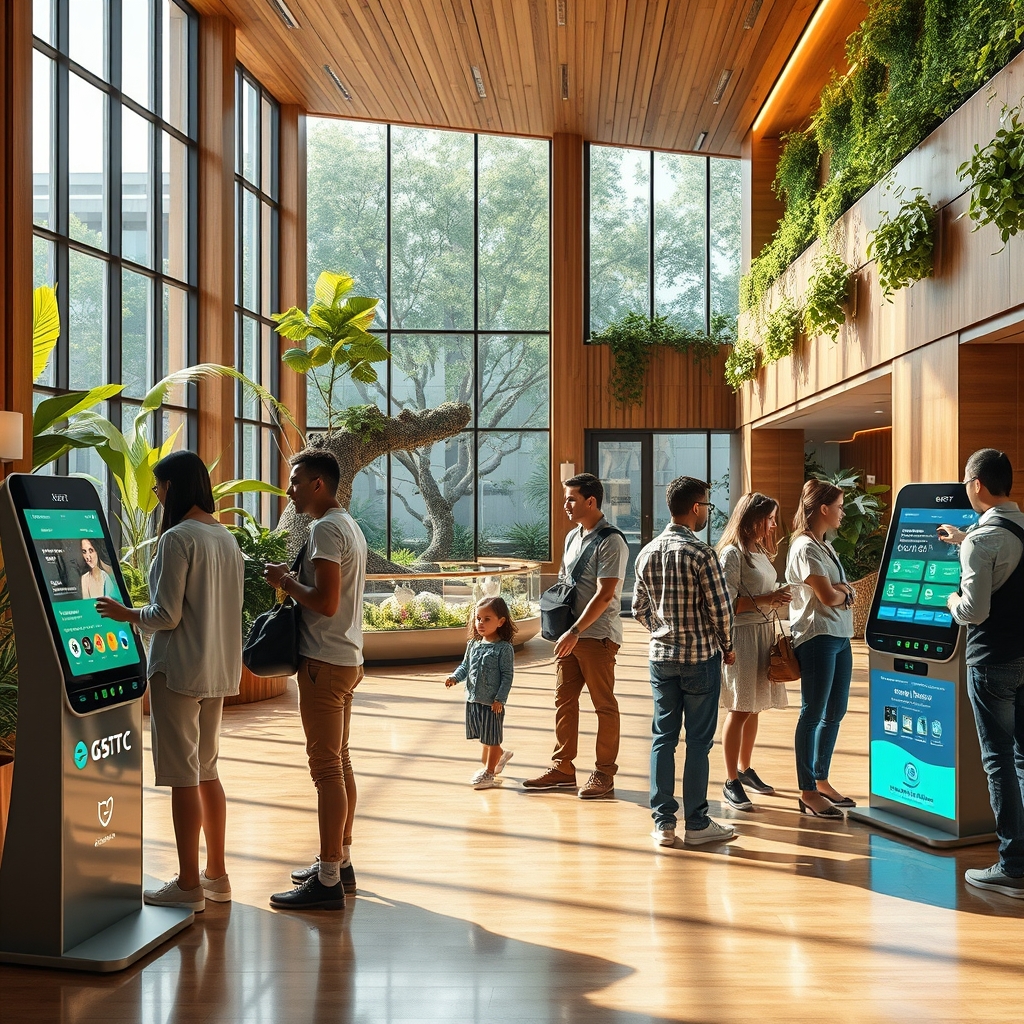
2026 Travel & Hotels: How to Book Stays That Align With Your Values, Budget, and Tech Expectations
By 2026, travelers will prioritize stays that align with their personal values, budget constraints, and tech expectations—without sacrificing comfort or convenience. This guide reveals how to book hotels that match your sustainability goals, leverage cutting-edge tech for seamless experiences, and secure deals that stretch your travel budget further. You’ll learn how to evaluate properties based on real-time data, avoid greenwashing traps, and use AI-driven tools to personalize every aspect of your stay.
Key Takeaways
- Sustainability certifications matter: Look for third-party verified badges like Global Sustainable Tourism Council (GSTC) to ensure genuine eco-friendly practices.
- Tech integration enhances stays: Hotels adopting contactless check-in, AI concierges, and smart room controls save time and reduce friction.
- Dynamic pricing requires strategy: Use price-tracking tools and flexible booking windows to capitalize on fluctuations in hotel rates.
- Local impact drives decisions: Properties supporting community initiatives or offering authentic cultural experiences attract value-driven travelers.
How Can You Verify a Hotel’s Sustainability Claims in 2026?
Greenwashing remains a persistent issue in the travel and hotels industry, with many properties exaggerating their eco-friendly efforts. To avoid falling for misleading marketing, focus on certifications from independent organizations. The GSTC, for example, sets global standards for sustainable tourism and verifies hotels based on criteria like energy efficiency, waste reduction, and community engagement. Properties with GSTC certification have undergone rigorous audits, ensuring their claims are credible.
Beyond certifications, dig into a hotel’s sustainability reports or public disclosures. Many forward-thinking brands now publish annual impact reports detailing their carbon footprint, water conservation efforts, and partnerships with local organizations. For instance, a hotel might highlight its use of renewable energy sources or its commitment to eliminating single-use plastics. These details provide tangible evidence of a property’s environmental and social responsibility.
What Red Flags Should You Watch For?
Vague language like “eco-friendly” or “green” without specific examples is a common red flag. Similarly, be wary of hotels that promote sustainability solely through visuals—such as images of lush gardens or solar panels—without providing measurable data. Another warning sign is the absence of third-party certifications or partnerships with recognized sustainability organizations. If a hotel’s website lacks transparency about its practices, it’s likely not as sustainable as it claims.
Which Tech Features Will Define Hotel Stays in 2026?
Technology is reshaping the travel and hotels experience, with innovations designed to streamline every aspect of your stay. Contactless check-in and digital key access, for example, eliminate the need for front-desk interactions, reducing wait times and enhancing convenience. Many hotels now integrate these features into their mobile apps, allowing guests to bypass traditional check-in processes entirely.
AI-driven concierge services are another game-changer. These virtual assistants, often accessible via in-room tablets or smartphone apps, can handle requests like room service orders, local recommendations, or even itinerary planning. Some properties are experimenting with voice-activated controls for lighting, temperature, and entertainment systems, giving guests full customization of their environment. These advancements not only improve comfort but also reduce the need for staff intervention, freeing up resources for more personalized service.
How Can You Leverage Tech to Personalize Your Stay?
Many hotels now use data analytics to tailor experiences to individual preferences. For example, if you frequently book spa services during your stays, the hotel’s system might automatically suggest spa packages or offer upgrades upon check-in. Similarly, loyalty programs are becoming more sophisticated, using AI to predict your needs and offer relevant perks, such as late check-out or complimentary breakfast.
To maximize these benefits, ensure your booking profile is up-to-date with your preferences. Share details like your preferred room temperature, pillow type, or dietary restrictions. This information allows hotels to anticipate your needs and deliver a more seamless experience. Additionally, opt into loyalty programs that sync with your travel habits—many now integrate with third-party apps to provide a unified view of your preferences across multiple brands.
What Strategies Can You Use to Secure the Best Hotel Deals in 2026?
Dynamic pricing remains a dominant force in the travel and hotels industry, with rates fluctuating based on demand, seasonality, and even local events. To capitalize on these variations, use price-tracking tools like Google Hotel Search or Hopper, which analyze historical data to predict the best times to book. These platforms often provide alerts when prices drop, allowing you to secure lower rates without constant monitoring.
Flexibility is another key factor in finding deals. If your travel dates are adjustable, consider booking during off-peak periods or mid-week, when hotels are more likely to offer discounts. Many properties also provide incentives for longer stays, such as discounted nightly rates or complimentary upgrades. Bundling your hotel stay with flights or car rentals can further reduce costs, especially when using platforms that specialize in package deals.
How Can You Avoid Hidden Fees and Unpleasant Surprises?
Hidden fees, such as resort charges or parking costs, can quickly inflate the price of your stay. To avoid these surprises, carefully review the fine print before booking. Look for properties that advertise “all-inclusive” rates or provide transparent pricing breakdowns. Additionally, consider booking directly through the hotel’s website, as third-party platforms sometimes add markups or omit certain fees from their initial quotes.
Another strategy is to leverage loyalty programs or memberships that waive fees. For example, some credit cards offer perks like free breakfast, late check-out, or complimentary Wi-Fi, which can offset additional costs. If you’re a frequent traveler, prioritize hotels that offer these benefits as part of their loyalty tiers.
How Can You Ensure Your Stay Supports Local Communities?
Travelers in 2026 are increasingly seeking stays that benefit local economies and cultures. To align your booking with these values, look for hotels that prioritize community engagement. Properties that source food locally, hire staff from the surrounding area, or partner with nearby businesses contribute directly to the region’s economic health. Some hotels even offer experiences that connect guests with local artisans, chefs, or guides, providing authentic cultural immersion.
Another way to support local communities is by choosing hotels that invest in social impact initiatives. For example, some properties donate a portion of their profits to local schools, environmental projects, or healthcare programs. Others offer volunteer opportunities for guests, such as beach cleanups or community garden projects. These initiatives not only enhance your travel experience but also ensure your stay leaves a positive impact.
As you plan your 2026 travels, focus on hotels that align with your values, leverage tech to simplify your stay, and offer transparent pricing. Use the strategies outlined here to evaluate properties, secure deals, and ensure your travel choices benefit both you and the destinations you visit. Start by identifying your top priorities—whether it’s sustainability, tech integration, or local impact—and let those guide your booking decisions. With the right approach, you can enjoy stays that are comfortable, cost-effective, and meaningful.
