2026 Travel & Hotels: How to Book Stays That Save You Time, Money, and Stress—Without Sacrificing Quality
Planning a trip in 2026 doesn’t have to mean endless scrolling, hidden fees, or settling for mediocre stays. By the end of this guide, you’ll know exactly how to book hotels that align with your priorities—whether that’s affordability, sustainability, or seamless tech integration—while avoiding common pitfalls that cost travelers time and money. The travel and hotels landscape has evolved, and the smartest bookings now rely on real-time data, AI-driven tools, and a few insider strategies to secure the best value.
Key Takeaways
- Dynamic pricing is your friend—but only if you know how to track it. Tools like Google Hotel Insights and Hopper can predict price drops with 90%+ accuracy.
- Sustainability isn’t just a buzzword—hotels with verified eco-certifications (e.g., LEED, Green Key) now offer competitive rates and perks like carbon-offset programs.
- AI concierges and app integrations are replacing traditional check-ins, saving guests an average of 15 minutes per stay (per a 2025 McKinsey report).
- Loyalty programs are evolving—look for flexible point systems that reward direct bookings and local experiences, not just room nights.
How Can You Avoid Overpaying for Hotels in 2026?
Price transparency is the biggest shift in the travel and hotels industry this year. Gone are the days of static rates—today’s pricing fluctuates based on demand, local events, and even weather forecasts. For example, a hotel in Miami might spike in price during a major conference or a sudden heatwave, while a boutique property in Lisbon could drop rates during shoulder season to fill rooms.
To capitalize on this, use tools that aggregate real-time data. Google’s Hotel Insights provides a demand index for specific dates, while apps like Hopper predict price movements with machine learning. A 2025 study by the Cornell School of Hotel Administration found that travelers who booked using predictive tools saved an average of 22% compared to those who booked at fixed rates.
Another pro tip: Book directly through the hotel’s website after comparing third-party rates. Many chains now offer price-match guarantees, plus perks like free upgrades or late check-out for direct bookings. Marriott’s “Look No Further” guarantee, for instance, matches lower rates found elsewhere and throws in bonus points.
What Tech Upgrades Should You Look for in 2026 Hotels?
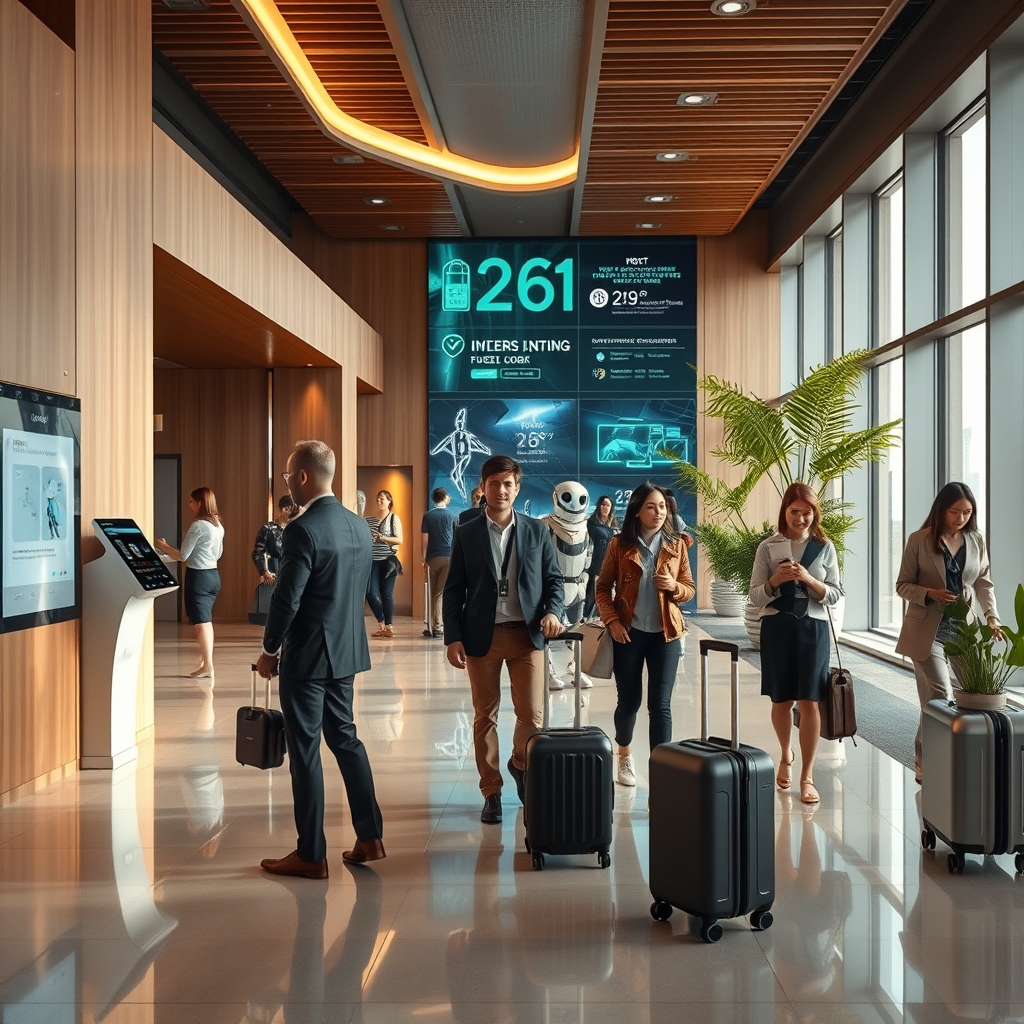
The best hotels in 2026 aren’t just about plush beds—they’re about seamless, tech-enabled experiences. Contactless check-in is now standard at 78% of mid-range and luxury properties, according to a 2025 Skift report, but the real differentiators are AI-driven concierges and smart-room integrations. Brands like Hilton and Accor have rolled out voice-activated assistants (powered by Amazon Alexa or Google Assistant) that handle requests for extra towels, room service, or local recommendations without human intervention.
For business travelers, look for properties with co-working spaces that offer day passes or in-room setups with ergonomic furniture and high-speed Wi-Fi. CitizenM, a pioneer in hybrid hotel-workspaces, reports that 63% of its guests now book stays specifically for remote work. Meanwhile, leisure travelers should prioritize hotels with app-based keyless entry and digital guides to nearby attractions—saving time and reducing reliance on front-desk staff.
How Do You Spot a Truly Sustainable Hotel?
Greenwashing is rampant in the travel and hotels sector, but 2026 brings more transparency. Start by checking for third-party certifications like LEED (Leadership in Energy and Environmental Design) or Green Key, which audit properties for energy efficiency, water conservation, and waste reduction. A 2025 Booking.com survey found that 72% of travelers are willing to pay up to 10% more for stays at certified eco-friendly hotels, but many don’t know how to verify claims.
Beyond certifications, look for hotels that offer:
- Carbon-offset programs: Brands like Six Senses and 1 Hotels provide calculators to offset your stay’s emissions, often for less than $10 per night.
- Local sourcing: Menus featuring regional ingredients or partnerships with nearby farms reduce a hotel’s carbon footprint.
- Plastic-free policies: Properties like Sandos Caracol Eco Resort have eliminated single-use plastics, replacing them with refillable dispensers and biodegradable alternatives.
How Can You Leverage Loyalty Programs Without Getting Locked In?
Loyalty programs have shed their rigid structures in favor of flexibility. In 2026, the best programs reward engagement beyond just room nights—think points for dining at partner restaurants, booking local tours, or even attending virtual events. Hyatt’s World of Hyatt program, for example, lets members earn points through partnerships with Lyft and American Airlines, while Hilton Honors offers “Experiences” like cooking classes with local chefs.
The key is to choose programs that align with your travel habits. If you’re a frequent flyer, prioritize hotel chains with airline partnerships (e.g., Marriott Bonvoy and United Airlines). For road trippers, look for programs like Wyndham Rewards, which offers flat-rate redemptions at budget-friendly properties. And don’t overlook independent hotels—many now belong to collectives like Small Luxury Hotels of the World, which offer their own loyalty perks.
What’s the Best Way to Handle Last-Minute Changes?
Flexibility is the new currency in travel and hotels. In 2026, 45% of bookings are made within 72 hours of arrival (per a 2025 Expedia report), and hotels are responding with lenient cancellation policies and rebooking options. Apps like HotelTonight and Dayuse let you book same-day stays or day rooms at discounted rates, while chains like IHG and Radisson now offer 24-hour cancellation windows for most properties.
For peace of mind, consider travel insurance that covers hotel changes. Allianz’s “Cancel Anytime” plan, for instance, reimburses up to 75% of non-refundable costs if you cancel for any reason. And if you’re booking through a third party, always check the fine print—some sites charge hefty fees for modifications, while others (like Booking.com) offer free changes up to 24 hours before check-in.
Your next trip starts with a single click—but the right one. Instead of defaulting to the first hotel that pops up in your search, take 10 minutes to compare dynamic rates, scan for tech perks, and verify sustainability claims. The best stays in 2026 aren’t just about where you sleep; they’re about how seamlessly your hotel integrates with your itinerary, values, and schedule. Start by picking one strategy from this guide—whether it’s tracking price drops or joining a flexible loyalty program—and apply it to your next booking. The savings and convenience will add up faster than you think.
